Place
Buenos Aires
Buenos Aires, the capital of Argentina, is a vibrant city with a rich history. Founded in 1536 by Pedro de Mendoza, it became the capital in 1880. The city played a crucial role in Argentina's independence movement in 1810. Located on the western shore of the Río de la Plata estuary, Buenos Aires spreads across a vast plain. Offering a unique blend of European architecture and Latin American atmosphere, Buenos Aires is known for tango, delicious steaks, and passion for football. Neighborhoods like La Boca, with its colorful houses, and the elegant Recoleta, with its famous cemetery, attract millions of tourists annually. Avenida 9 de Julio, considered the widest street in the world, and Teatro Colón, one of the world's most important opera houses, are iconic landmarks.
Attractions
Casa Rosada
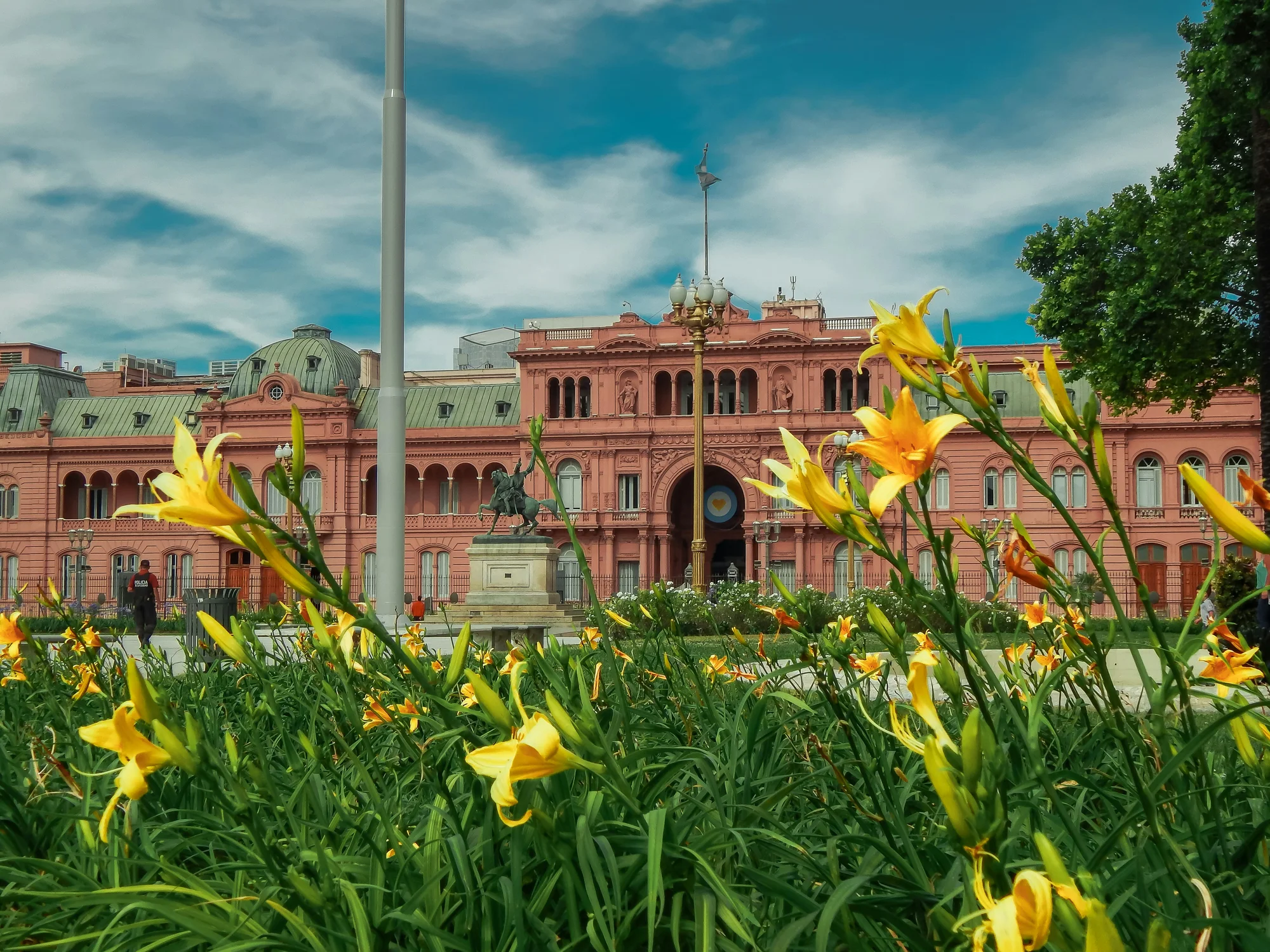
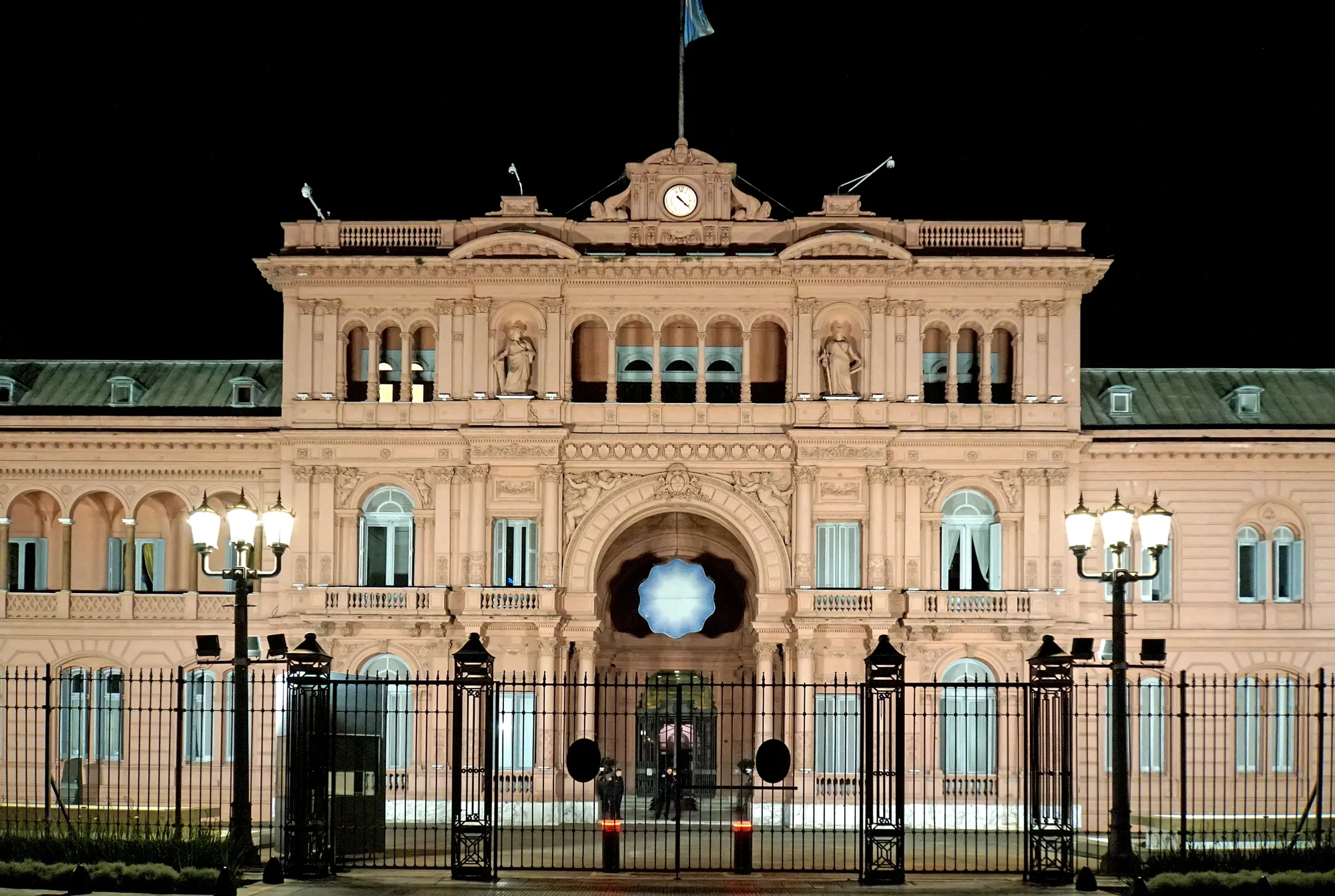
Casa Rosada is the official seat of the President of Argentina, located in the center of the capital Buenos Aires. This imposing pink palace is one of the most emblematic symbols of Argentina and a major tourist attraction. Also known as Casa de Gobierno (Government House), the building impresses with its eclectic architecture and distinctive color. Casa Rosada houses the presidential office and spaces for official ceremonies, having witnessed many important historical events.
Jardín Japonés
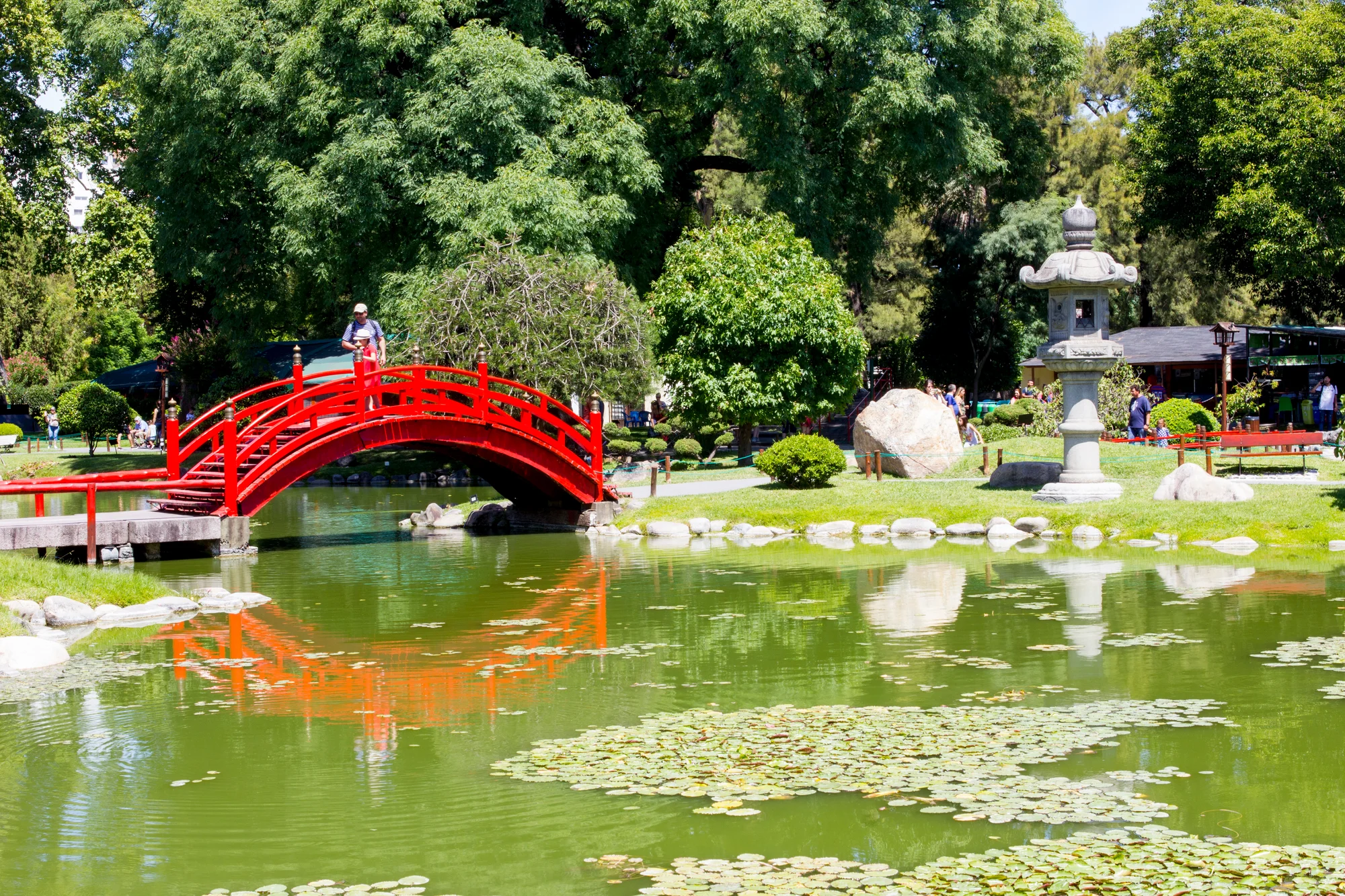
Jardín Japonés is an oasis of tranquility and beauty in the heart of bustling Buenos Aires, Argentina. This authentic Japanese park, inaugurated in 1967, offers visitors a unique cultural experience, harmoniously blending traditional elements of Japanese gardens with the Argentine urban landscape. Covering an area of approximately 2 hectares, the garden includes a lake with koi fish, arched bridges, stone lanterns, and a rich variety of plants and trees specific to Japan. Jardín Japonés is a perfect place for meditation, relaxation, and appreciation of Japanese landscape art.
Metropolitan Cathedral of Buenos Aires
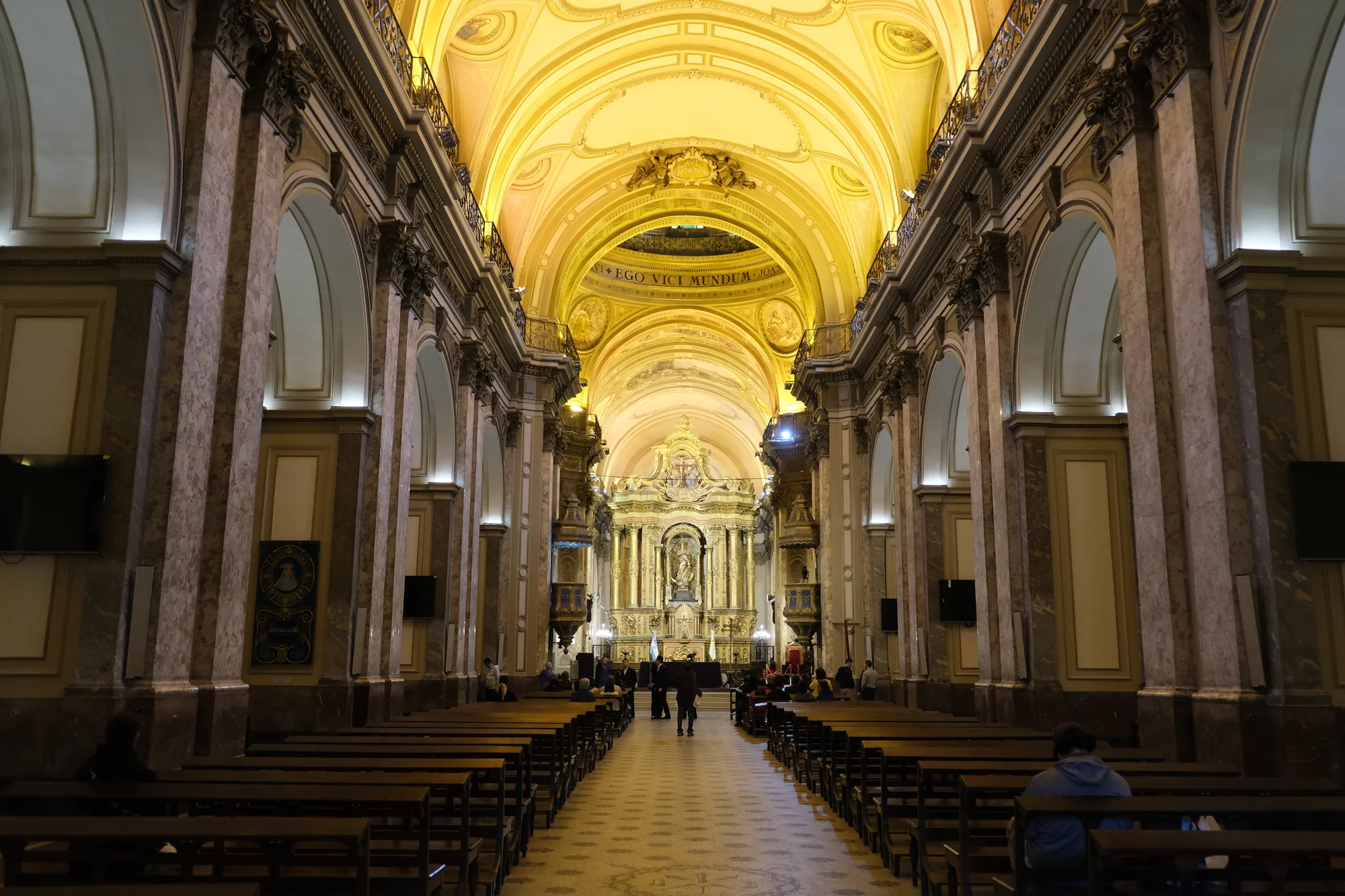
The Metropolitan Cathedral of Buenos Aires is the main Catholic place of worship in Argentina's capital. Located in the historic center of the city, on Plaza de Mayo, this imposing building represents an architectural and spiritual landmark of Buenos Aires. With an impressive neoclassical facade and a richly decorated interior, the cathedral attracts thousands of visitors annually, both pilgrims and tourists. It is the seat of the Archdiocese of Buenos Aires and the place where Pope Francis served before becoming pontiff.
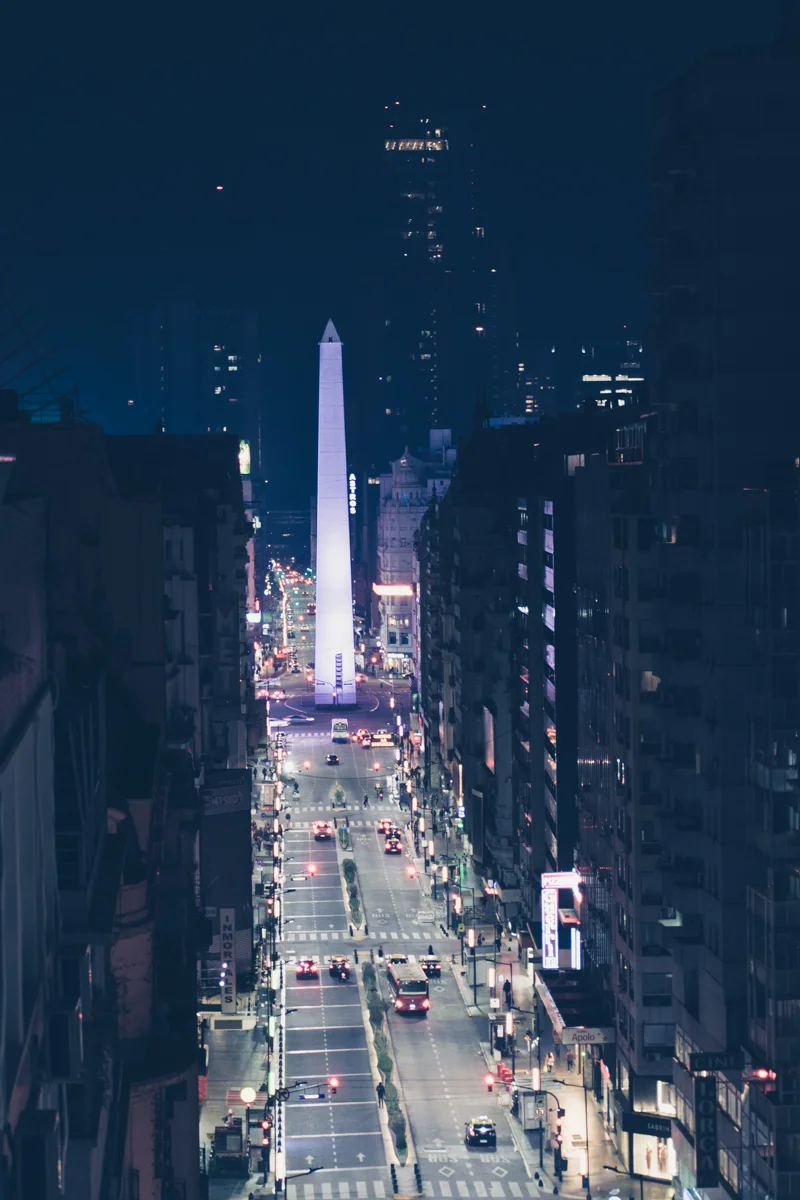
Obelisco de Buenos Aires
The Obelisk of Buenos Aires is an emblematic monument and one of the most recognized symbols of the Argentine capital. Located in Plaza de la República, at the intersection of Avenida 9 de Julio and Avenida Corrientes, this imposing obelisk rises 67.5 meters above the city. Built in 1936 to commemorate 400 years since the city's first founding, the Obelisk quickly became an iconic landmark and a popular spot for public gatherings, celebrations, and protests.
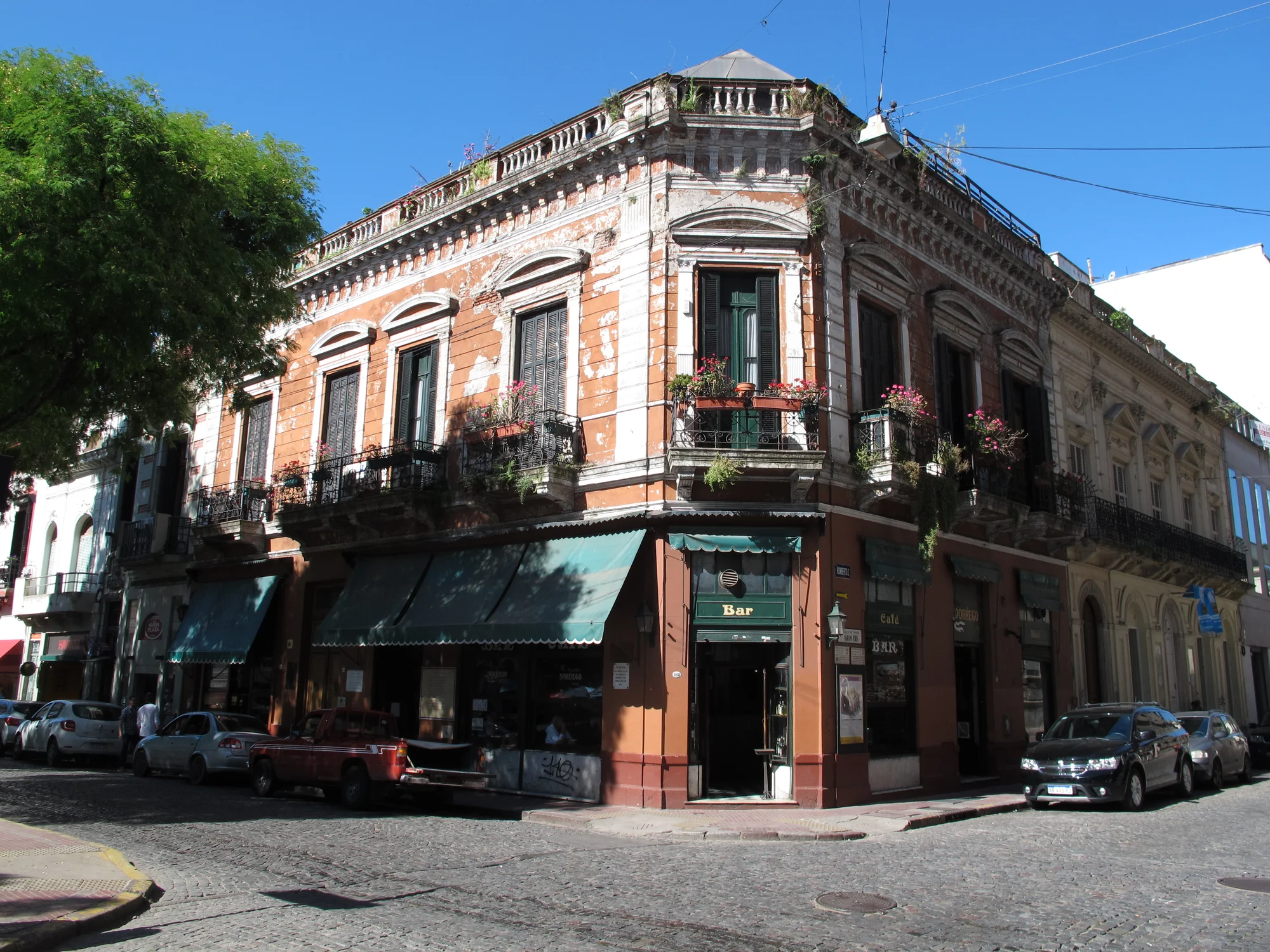
Plaza Dorrego
Plaza Dorrego is a historic square located in the heart of the San Telmo neighborhood in Buenos Aires, Argentina. This picturesque space, paved with cobblestones, is an iconic landmark of the city and a vibrant cultural center. Surrounded by colorful colonial buildings and cafes with terraces, the square hosts the renowned antique market every Sunday, attracting both locals and tourists. Plaza Dorrego offers an authentic and romantic atmosphere, being the perfect place to experience the spirit and traditions of Buenos Aires.
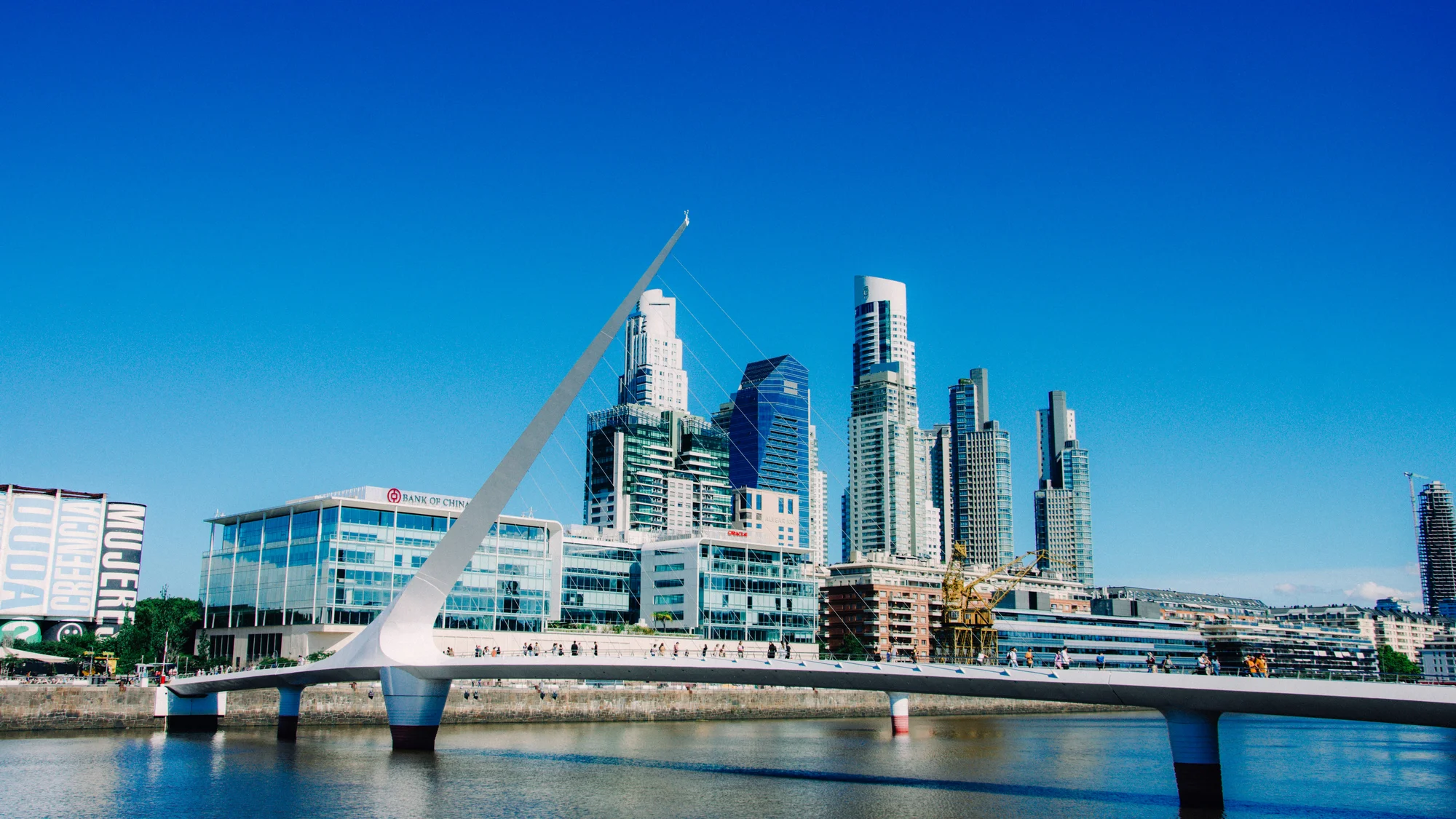
Puerto Madero
Puerto Madero is a modern and elegant neighborhood in Buenos Aires, Argentina, renowned for its contemporary architecture and cosmopolitan atmosphere. Located along the eastern bank of the Rio de la Plata, this district has been transformed from a disused port area into a vibrant center of business, tourism, and entertainment. Puerto Madero stands out for its converted docks, iconic bridges, and imposing skyscrapers, offering a fascinating contrast between old and new Buenos Aires.
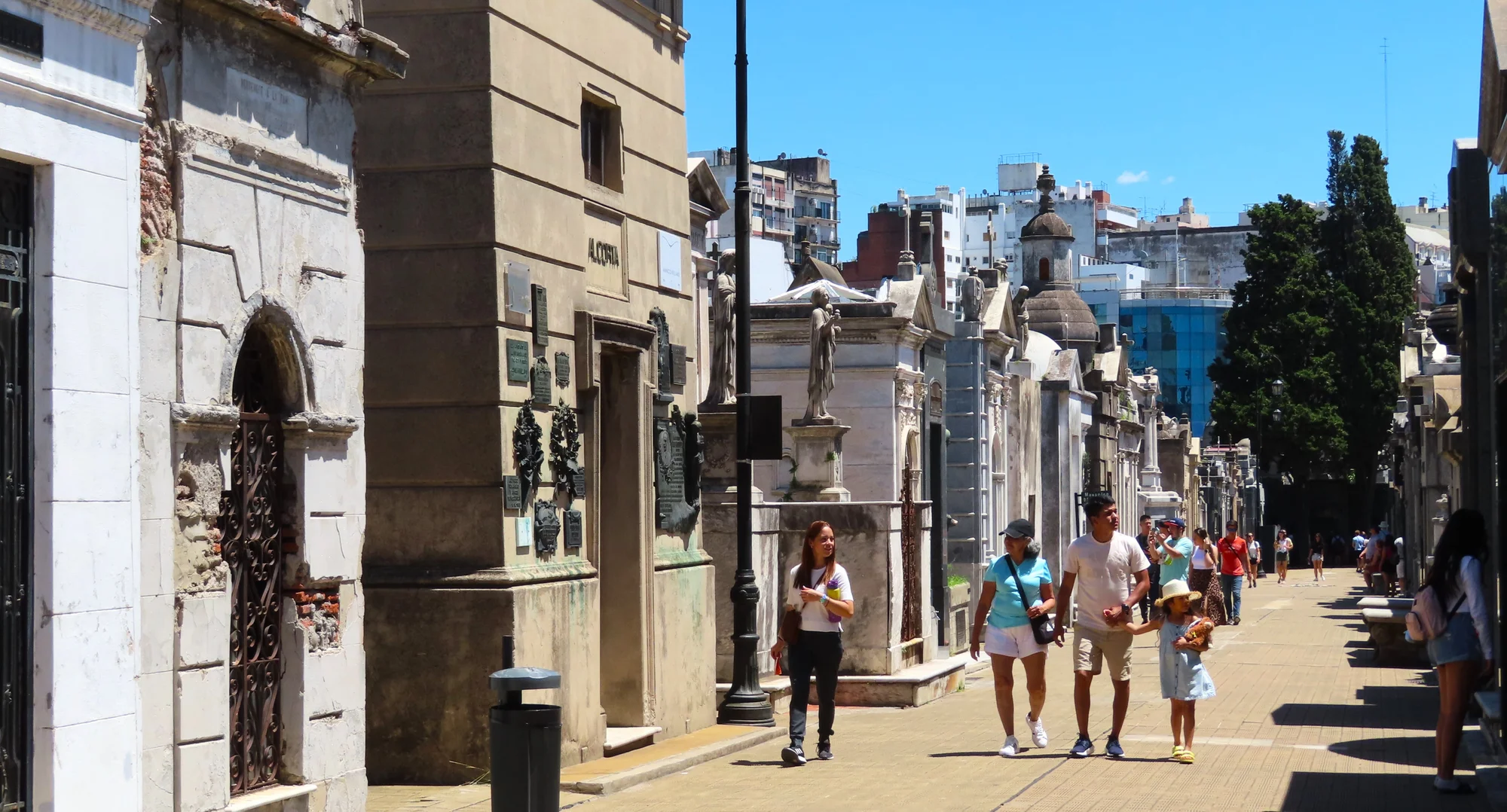
Recoleta Cemetery
Recoleta Cemetery is one of the most renowned cemeteries in the world, located in the Recoleta neighborhood of Buenos Aires, Argentina. Known for its impressive architecture and the historical figures buried here, the cemetery is a major tourist attraction. Its narrow alleys are flanked by elaborate mausoleums and monuments, representing various architectural styles, from neoclassical and art nouveau to art deco. The cemetery houses the graves of important figures from Argentine history, including presidents, writers, and cultural personalities.
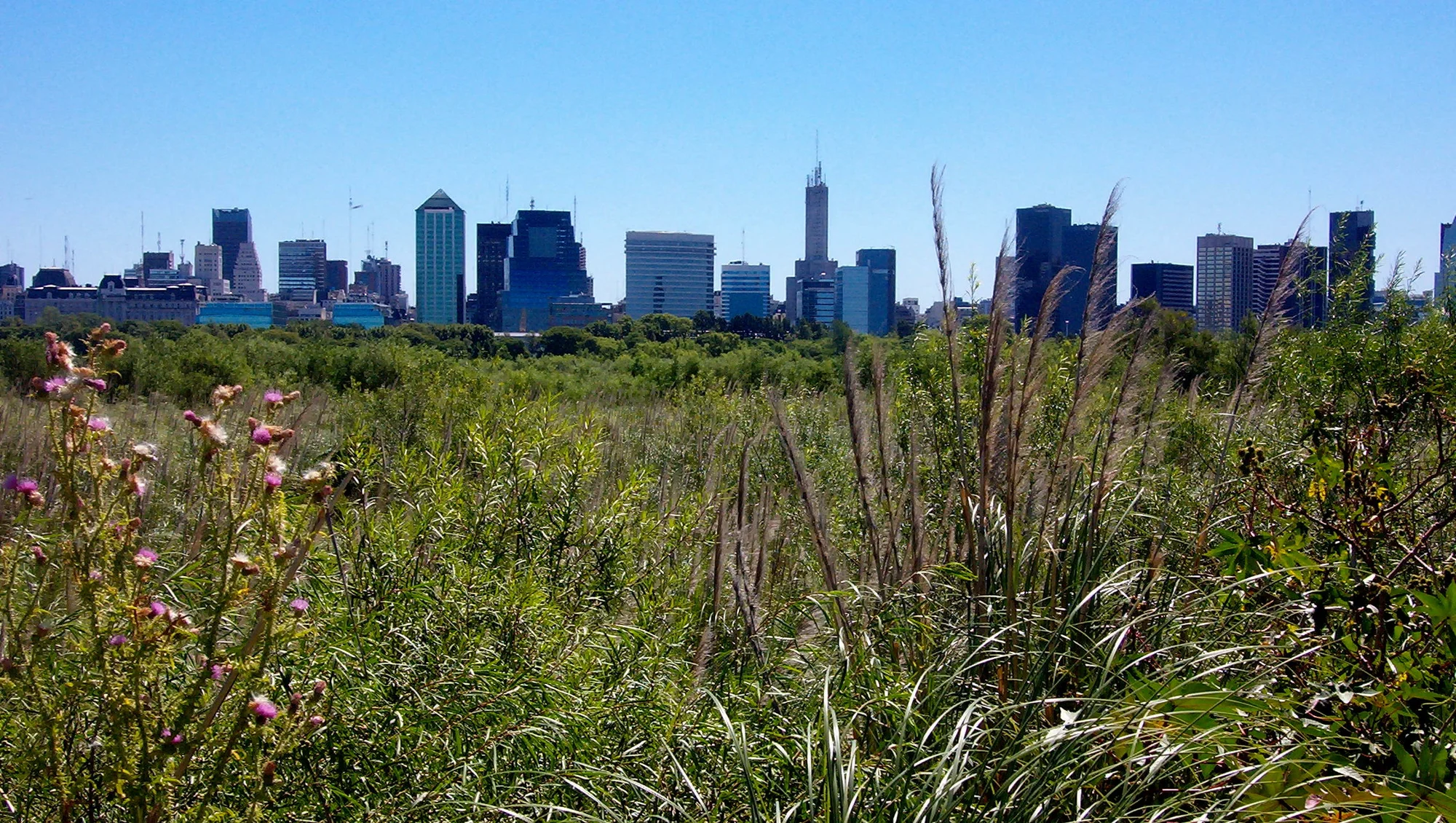
Reserva Ecológica Costanera Sur
Reserva Ecológica Costanera Sur is a natural oasis in the heart of Buenos Aires, offering a unique urban ecotourism experience. This 350-hectare natural park stretches along the eastern bank of the Rio de la Plata river, showcasing an impressive biodiversity. Visitors can explore a variety of ecosystems, from marshes and lagoons to forests and grasslands, observing a wide range of native bird, mammal, and plant species.
Jardín Japonés
Jardín Japonés is an oasis of tranquility and beauty in the heart of bustling Buenos Aires, Argentina. This authentic Japanese park, inaugurated in 1967, offers visitors a unique cultural experience, harmoniously blending traditional elements of Japanese gardens with the Argentine urban landscape. Covering an area of approximately 2 hectares, the garden includes a lake with koi fish, arched bridges, stone lanterns, and a rich variety of plants and trees specific to Japan. Jardín Japonés is a perfect place for meditation, relaxation, and appreciation of Japanese landscape art.
Metropolitan Cathedral of Buenos Aires
The Metropolitan Cathedral of Buenos Aires is the main Catholic place of worship in Argentina's capital. Located in the historic center of the city, on Plaza de Mayo, this imposing building represents an architectural and spiritual landmark of Buenos Aires. With an impressive neoclassical facade and a richly decorated interior, the cathedral attracts thousands of visitors annually, both pilgrims and tourists. It is the seat of the Archdiocese of Buenos Aires and the place where Pope Francis served before becoming pontiff.
Plaza Dorrego
Plaza Dorrego is a historic square located in the heart of the San Telmo neighborhood in Buenos Aires, Argentina. This picturesque space, paved with cobblestones, is an iconic landmark of the city and a vibrant cultural center. Surrounded by colorful colonial buildings and cafes with terraces, the square hosts the renowned antique market every Sunday, attracting both locals and tourists. Plaza Dorrego offers an authentic and romantic atmosphere, being the perfect place to experience the spirit and traditions of Buenos Aires.
Puerto Madero
Puerto Madero is a modern and elegant neighborhood in Buenos Aires, Argentina, renowned for its contemporary architecture and cosmopolitan atmosphere. Located along the eastern bank of the Rio de la Plata, this district has been transformed from a disused port area into a vibrant center of business, tourism, and entertainment. Puerto Madero stands out for its converted docks, iconic bridges, and imposing skyscrapers, offering a fascinating contrast between old and new Buenos Aires.
Reserva Ecológica Costanera Sur
Reserva Ecológica Costanera Sur is a natural oasis in the heart of Buenos Aires, offering a unique urban ecotourism experience. This 350-hectare natural park stretches along the eastern bank of the Rio de la Plata river, showcasing an impressive biodiversity. Visitors can explore a variety of ecosystems, from marshes and lagoons to forests and grasslands, observing a wide range of native bird, mammal, and plant species.
All information
identity
Id
4c90adf5-3515-4ccd-8886-57f65eabb5fb
Id
2f7a4a8a-3cba-4712-aed2-e44edf532ec8
Id
4c90adf5-3515-4ccd-8886-57f65eabb5fb
Id
4c90adf5-3515-4ccd-8886-57f65eabb5fb
Locale
en
Place Type
city
Slug
buenos-aires
Source Kind
city
seo
Titlu Seo Poza
Casa Rosada in Buenos Aires, Argentina
Titlu Seo Poza
Casa Rosada in Buenos Aires, Argentina
media
Alt Text Poza
Casa Rosada, an iconic building in Buenos Aires, with yellow flowers in the foreground.
Alt Text Poza
Casa Rosada, an iconic building in Buenos Aires, with yellow flowers in the foreground.
Autor Poza
Edgardo Ibarra
Autor Poza
Edgardo Ibarra
Image Alt Text
Casa Rosada, an iconic building in Buenos Aires, with yellow flowers in the foreground.
Image Author
Edgardo Ibarra
Image Author Url
https://unsplash.com/@shotsbyedgardo
Image Description
A stunning photo of Casa Rosada, an iconic building in Buenos Aires, surrounded by beautiful yellow flowers.
Image Description
A stunning photo of Casa Rosada, an iconic building in Buenos Aires, surrounded by beautiful yellow flowers.
Image Description
A stunning photo of Casa Rosada, an iconic building in Buenos Aires, surrounded by beautiful yellow flowers.
Image Source
Unsplash
Image Title
Casa Rosada in Buenos Aires, Argentina
Image Url
https://media.wanderbase.io/explore/places/city/4c90adf5-3515-4ccd-8886-57f65eabb5fb.webp
Image Web Url
https://unsplash.com/photos/yellow-flowers-in-front-of-white-and-brown-building-RdlPbr8rI3U
Link Autor Poza
https://unsplash.com/@shotsbyedgardo
Link Autor Poza
https://unsplash.com/@shotsbyedgardo
Link Web Poza
https://unsplash.com/photos/yellow-flowers-in-front-of-white-and-brown-building-RdlPbr8rI3U
Link Web Poza
https://unsplash.com/photos/yellow-flowers-in-front-of-white-and-brown-building-RdlPbr8rI3U
Poza
https://images.unsplash.com/photo-1609080814811-5837f3c7095a?crop=entropy&cs=srgb&fm=jpg&ixid=M3w3MDc1ODN8MHwxfHNlYXJjaHwxfHxCdWVub3MlMjBBaXJlcyUyMEFyZ2VudGluYXxlbnwwfDB8fHwxNzQxMDMxNzA0fDA&ixlib=rb-4.0.3&q=85
Poza
https://images.unsplash.com/photo-1609080814811-5837f3c7095a?crop=entropy&cs=srgb&fm=jpg&ixid=M3w3MDc1ODN8MHwxfHNlYXJjaHwxfHxCdWVub3MlMjBBaXJlcyUyMEFyZ2VudGluYXxlbnwwfDB8fHwxNzQxMDMxNzA0fDA&ixlib=rb-4.0.3&q=85
Source Image Url
https://images.unsplash.com/photo-1609080814811-5837f3c7095a?crop=entropy&cs=srgb&fm=jpg&ixid=M3w3MDc1ODN8MHwxfHNlYXJjaHwxfHxCdWVub3MlMjBBaXJlcyUyMEFyZ2VudGluYXxlbnwwfDB8fHwxNzQxMDMxNzA0fDA&ixlib=rb-4.0.3&q=85
Sursa Poza
Unsplash
Sursa Poza
Unsplash
tickets
Gyg Code
1
Gyg Code
1
Gyg Code
1
editorial
Status
published
general
Airport Transport
The main airport is Ministro Pistarini International Airport (Ezeiza). Transfer options: • Taxi/Remis: The most convenient option, duration ~45-60 minutes, cost ~$30-40 • Shuttle Bus: Service operated by Manuel Tienda León, duration ~60 minutes, cost ~$15 • Public bus: The cheapest option, duration ~90-120 minutes, cost ~$2, but less comfortable
Best Time To Visit
The best time to visit Buenos Aires is spring (September-November) or autumn (March-May). During these seasons, temperatures are moderate, between 15°C and 25°C, and humidity is lower. Spring brings the blooming of jacarandas, covering the city in purple. Autumn offers spectacular colors in the parks. Summer (December-February) can be very hot and humid, with temperatures often exceeding 30°C. Winter (June-August) is mild, with temperatures rarely below 10°C, but can be damp and cloudy. Avoid January and February, when many locals go on vacation, and some restaurants and shops may be closed.
Country Id
4afcaa50-ec93-41af-8b72-9d8cd314a2aa
Created At
2026-06-17T21:10:31.0739+00:00
Created At
2026-06-17T21:11:55.558927+00:00
Description
Buenos Aires, the capital of Argentina, is a vibrant city with a rich history. Founded in 1536 by Pedro de Mendoza, it became the capital in 1880. The city played a crucial role in Argentina's independence movement in 1810. Located on the western shore of the Río de la Plata estuary, Buenos Aires spreads across a vast plain. Offering a unique blend of European architecture and Latin American atmosphere, Buenos Aires is known for tango, delicious steaks, and passion for football. Neighborhoods like La Boca, with its colorful houses, and the elegant Recoleta, with its famous cemetery, attract millions of tourists annually. Avenida 9 de Julio, considered the widest street in the world, and Teatro Colón, one of the world's most important opera houses, are iconic landmarks.
Festivals Events
• International Tango Festival: August • Arte BA: Contemporary art fair, April • Buenos Aires International Independent Film Festival (BAFICI): April • Feria del Libro: International book fair, April-May • Día de la Revolución de Mayo: National holiday, May 25 • Mundial de Tango: World tango championship, August • Fiesta de la Vendimia: Wine festival, March (in Mendoza, but many visitors from Buenos Aires)
Ideal Days
5-7 days. This timeframe allows for exploring the city's main attractions, visiting iconic neighborhoods, attending a tango show, and perhaps even a short trip outside the city.
Kiwi Destination
Buenos Aires
Name
Buenos Aires
Place Id
4c90adf5-3515-4ccd-8886-57f65eabb5fb
Public Transport
• Metro (Subte): 6 lines covering central areas, efficient and cheap • Buses (Colectivos): Extensive network, operates 24/7 • Trains: Connect suburbs with the city center • SUBE Card: Rechargeable card for all public transport • Taxis and Uber are available and relatively affordable • The city center is pedestrian-friendly, ideal for walking
Shopping
• Calle Florida: Pedestrian street with shops and shopping centers • San Telmo: Antique market on Sundays and vintage shops • Palermo Soho: Designer stores and trendy boutiques • Recoleta: Luxury shops and art galleries • Feria de Mataderos: Traditional market with handcrafted products and folk performances • Typical souvenirs: Mate and bombilla, leather goods, football jerseys, Malbec wines
Tips
• Emergency number: 911 • Tipping is usually 10% in restaurants • Siesta is still practiced, with many shops closing between 13:00-16:00 • Dinner is served late, usually after 21:00 • Argentines are known for flexible punctuality, so be patient
Traditional Foods
• Asado: Famous Argentine barbecue, a feast of grilled meats • Empanadas: Pastries filled with meat, cheese, or vegetables • Locro: Traditional stew with corn, beans, and meat • Choripán: Sandwich with chorizo sausage and crusty bread • Dulce de leche: Caramel cream used in various desserts • Alfajores: Cookies filled with dulce de leche and covered in chocolate • Mate: Traditional Argentine tea, consumed socially
Updated At
2026-06-17T22:32:03.654758+00:00
Updated At
2026-06-17T21:22:21.59273+00:00
Where To Stay
• Palermo: Trendy neighborhood with many restaurants and nightlife, ideal for young people and tourists • Recoleta: Elegant area with luxury hotels, close to cultural attractions • San Telmo: Historic district with bohemian atmosphere, suitable for medium budget • Microcentro: In the heart of the city, convenient for business and shopping, but crowded • Puerto Madero: Modern neighborhood with luxury hotels and restaurants, but more expensive • Belgrano: Quiet residential area, suitable for families
imported
Continent
South America
Continent
South America
Cumparaturi
• Calle Florida: Pedestrian street with shops and shopping centers • San Telmo: Antique market on Sundays and vintage shops • Palermo Soho: Designer stores and trendy boutiques • Recoleta: Luxury shops and art galleries • Feria de Mataderos: Traditional market with handcrafted products and folk performances • Typical souvenirs: Mate and bombilla, leather goods, football jerseys, Malbec wines
Cumparaturi
• Calle Florida: Pedestrian street with shops and shopping centers • San Telmo: Antique market on Sundays and vintage shops • Palermo Soho: Designer stores and trendy boutiques • Recoleta: Luxury shops and art galleries • Feria de Mataderos: Traditional market with handcrafted products and folk performances • Typical souvenirs: Mate and bombilla, leather goods, football jerseys, Malbec wines
Descriere
Buenos Aires, the capital of Argentina, is a vibrant city with a rich history. Founded in 1536 by Pedro de Mendoza, it became the capital in 1880. The city played a crucial role in Argentina's independence movement in 1810. Located on the western shore of the Río de la Plata estuary, Buenos Aires spreads across a vast plain. Offering a unique blend of European architecture and Latin American atmosphere, Buenos Aires is known for tango, delicious steaks, and passion for football. Neighborhoods like La Boca, with its colorful houses, and the elegant Recoleta, with its famous cemetery, attract millions of tourists annually. Avenida 9 de Julio, considered the widest street in the world, and Teatro Colón, one of the world's most important opera houses, are iconic landmarks.
Descriere
Buenos Aires, the capital of Argentina, is a vibrant city with a rich history. Founded in 1536 by Pedro de Mendoza, it became the capital in 1880. The city played a crucial role in Argentina's independence movement in 1810. Located on the western shore of the Río de la Plata estuary, Buenos Aires spreads across a vast plain. Offering a unique blend of European architecture and Latin American atmosphere, Buenos Aires is known for tango, delicious steaks, and passion for football. Neighborhoods like La Boca, with its colorful houses, and the elegant Recoleta, with its famous cemetery, attract millions of tourists annually. Avenida 9 de Julio, considered the widest street in the world, and Teatro Colón, one of the world's most important opera houses, are iconic landmarks.
Destinatie Kiwi
Buenos Aires
Destinatie Kiwi
Buenos Aires
E Capitala?
C
E Capitala?
C
Festivaluri Si Evenimente
• International Tango Festival: August • Arte BA: Contemporary art fair, April • Buenos Aires International Independent Film Festival (BAFICI): April • Feria del Libro: International book fair, April-May • Día de la Revolución de Mayo: National holiday, May 25 • Mundial de Tango: World tango championship, August • Fiesta de la Vendimia: Wine festival, March (in Mendoza, but many visitors from Buenos Aires)
Festivaluri Si Evenimente
• International Tango Festival: August • Arte BA: Contemporary art fair, April • Buenos Aires International Independent Film Festival (BAFICI): April • Feria del Libro: International book fair, April-May • Día de la Revolución de Mayo: National holiday, May 25 • Mundial de Tango: World tango championship, August • Fiesta de la Vendimia: Wine festival, March (in Mendoza, but many visitors from Buenos Aires)
Latitutine
-34.6037
Latitutine
-34.6037
Longitundine
-58.3816
Longitundine
-58.3816
Mancaruri Traditionale
• Asado: Famous Argentine barbecue, a feast of grilled meats • Empanadas: Pastries filled with meat, cheese, or vegetables • Locro: Traditional stew with corn, beans, and meat • Choripán: Sandwich with chorizo sausage and crusty bread • Dulce de leche: Caramel cream used in various desserts • Alfajores: Cookies filled with dulce de leche and covered in chocolate • Mate: Traditional Argentine tea, consumed socially
Mancaruri Traditionale
• Asado: Famous Argentine barbecue, a feast of grilled meats • Empanadas: Pastries filled with meat, cheese, or vegetables • Locro: Traditional stew with corn, beans, and meat • Choripán: Sandwich with chorizo sausage and crusty bread • Dulce de leche: Caramel cream used in various desserts • Alfajores: Cookies filled with dulce de leche and covered in chocolate • Mate: Traditional Argentine tea, consumed socially
Numar Ideal Zile
5-7 days. This timeframe allows for exploring the city's main attractions, visiting iconic neighborhoods, attending a tango show, and perhaps even a short trip outside the city.
Numar Ideal Zile
5-7 days. This timeframe allows for exploring the city's main attractions, visiting iconic neighborhoods, attending a tango show, and perhaps even a short trip outside the city.
Nume
Buenos Aires
Nume
Buenos Aires
Perioada Potrivita
The best time to visit Buenos Aires is spring (September-November) or autumn (March-May). During these seasons, temperatures are moderate, between 15°C and 25°C, and humidity is lower. Spring brings the blooming of jacarandas, covering the city in purple. Autumn offers spectacular colors in the parks. Summer (December-February) can be very hot and humid, with temperatures often exceeding 30°C. Winter (June-August) is mild, with temperatures rarely below 10°C, but can be damp and cloudy. Avoid January and February, when many locals go on vacation, and some restaurants and shops may be closed.
Perioada Potrivita
The best time to visit Buenos Aires is spring (September-November) or autumn (March-May). During these seasons, temperatures are moderate, between 15°C and 25°C, and humidity is lower. Spring brings the blooming of jacarandas, covering the city in purple. Autumn offers spectacular colors in the parks. Summer (December-February) can be very hot and humid, with temperatures often exceeding 30°C. Winter (June-August) is mild, with temperatures rarely below 10°C, but can be damp and cloudy. Avoid January and February, when many locals go on vacation, and some restaurants and shops may be closed.
Poze Candidate
https://unsplash.com/photos/yellow-flowers-in-front-of-white-and-brown-building-RdlPbr8rI3U https://unsplash.com/photos/aerial-photography-of-buildings-and-vehicles-on-road-hcAdd95XBqo https://unsplash.com/photos/aerial-view-of-city-under-cloudy-sky-during-daytime-z0A_IsZYXfM https://unsplash.com/photos/city-skyline-at-daytime-r3muakP0QuE https://www.pexels.com/photo/man-arms-with-tattoos-holding-cup-and-using-coffee-machine-20400393/ https://www.pexels.com/photo/barista-using-coffee-machine-20400387/ https://www.pexels.com/photo/modern-car-in-buenos-aires-urban-parking-30717325/ https://www.pexels.com/photo/traditional-japanese-torii-gate-in-buenos-aires-garden-30977483/ https://pixabay.com/photos/buenos-aires-city-sunset-night-7334367/ https://pixabay.com/photos/buenos-aires-argentina-obelisk-2437858/ https://pixabay.com/photos/argentina-buenos-aires-panel-998470/ https://pixabay.com/photos/buenos-aires-skyline-sunset-4607260/
Poze Candidate
https://unsplash.com/photos/yellow-flowers-in-front-of-white-and-brown-building-RdlPbr8rI3U https://unsplash.com/photos/aerial-photography-of-buildings-and-vehicles-on-road-hcAdd95XBqo https://unsplash.com/photos/aerial-view-of-city-under-cloudy-sky-during-daytime-z0A_IsZYXfM https://unsplash.com/photos/city-skyline-at-daytime-r3muakP0QuE https://www.pexels.com/photo/man-arms-with-tattoos-holding-cup-and-using-coffee-machine-20400393/ https://www.pexels.com/photo/barista-using-coffee-machine-20400387/ https://www.pexels.com/photo/modern-car-in-buenos-aires-urban-parking-30717325/ https://www.pexels.com/photo/traditional-japanese-torii-gate-in-buenos-aires-garden-30977483/ https://pixabay.com/photos/buenos-aires-city-sunset-night-7334367/ https://pixabay.com/photos/buenos-aires-argentina-obelisk-2437858/ https://pixabay.com/photos/argentina-buenos-aires-panel-998470/ https://pixabay.com/photos/buenos-aires-skyline-sunset-4607260/
Regiune
Autonomous City of Buenos Aires
Regiune
Autonomous City of Buenos Aires
Sfaturi Si Info Utile
• Emergency number: 911 • Tipping is usually 10% in restaurants • Siesta is still practiced, with many shops closing between 13:00-16:00 • Dinner is served late, usually after 21:00 • Argentines are known for flexible punctuality, so be patient
Sfaturi Si Info Utile
• Emergency number: 911 • Tipping is usually 10% in restaurants • Siesta is still practiced, with many shops closing between 13:00-16:00 • Dinner is served late, usually after 21:00 • Argentines are known for flexible punctuality, so be patient
Tara
Argentina
Tara
Argentina
Transport Aeroport
The main airport is Ministro Pistarini International Airport (Ezeiza). Transfer options: • Taxi/Remis: The most convenient option, duration ~45-60 minutes, cost ~$30-40 • Shuttle Bus: Service operated by Manuel Tienda León, duration ~60 minutes, cost ~$15 • Public bus: The cheapest option, duration ~90-120 minutes, cost ~$2, but less comfortable
Transport Aeroport
The main airport is Ministro Pistarini International Airport (Ezeiza). Transfer options: • Taxi/Remis: The most convenient option, duration ~45-60 minutes, cost ~$30-40 • Shuttle Bus: Service operated by Manuel Tienda León, duration ~60 minutes, cost ~$15 • Public bus: The cheapest option, duration ~90-120 minutes, cost ~$2, but less comfortable
Transport Public
• Metro (Subte): 6 lines covering central areas, efficient and cheap • Buses (Colectivos): Extensive network, operates 24/7 • Trains: Connect suburbs with the city center • SUBE Card: Rechargeable card for all public transport • Taxis and Uber are available and relatively affordable • The city center is pedestrian-friendly, ideal for walking
Transport Public
• Metro (Subte): 6 lines covering central areas, efficient and cheap • Buses (Colectivos): Extensive network, operates 24/7 • Trains: Connect suburbs with the city center • SUBE Card: Rechargeable card for all public transport • Taxis and Uber are available and relatively affordable • The city center is pedestrian-friendly, ideal for walking
Unde Sa Te Cazezi
• Palermo: Trendy neighborhood with many restaurants and nightlife, ideal for young people and tourists • Recoleta: Elegant area with luxury hotels, close to cultural attractions • San Telmo: Historic district with bohemian atmosphere, suitable for medium budget • Microcentro: In the heart of the city, convenient for business and shopping, but crowded • Puerto Madero: Modern neighborhood with luxury hotels and restaurants, but more expensive • Belgrano: Quiet residential area, suitable for families
Unde Sa Te Cazezi
• Palermo: Trendy neighborhood with many restaurants and nightlife, ideal for young people and tourists • Recoleta: Elegant area with luxury hotels, close to cultural attractions • San Telmo: Historic district with bohemian atmosphere, suitable for medium budget • Microcentro: In the heart of the city, convenient for business and shopping, but crowded • Puerto Madero: Modern neighborhood with luxury hotels and restaurants, but more expensive • Belgrano: Quiet residential area, suitable for families
map
Latitude
-34.60
Locatie
Buenos Aires
Locatie
Buenos Aires
Location Label
Buenos Aires
Longitude
-58.38