
Country
Austria
Austria, a country with a rich history, was the center of the Habsburg Empire and had a significant influence in Central Europe. Founded in 976 as a margraviate, it evolved into the Duchy of Austria in 1156 and later into the Austrian Empire in 1804. After World War I, it became a republic. Geographically, Austria is predominantly a mountainous country, with 60% of its territory occupied by the Alps. The Danube, the most important river, crosses the north of the country. The varied landscape includes fertile valleys, dense forests, and picturesque alpine lakes. Culturally, Austria is renowned for classical music, being the birthplace of famous composers such as Mozart and Strauss. Baroque and imperial architecture, especially in Vienna, attracts millions of tourists annually. World-class ski resorts, cultural festivals, and refined gastronomy complete the country's tourist attractions.
Places
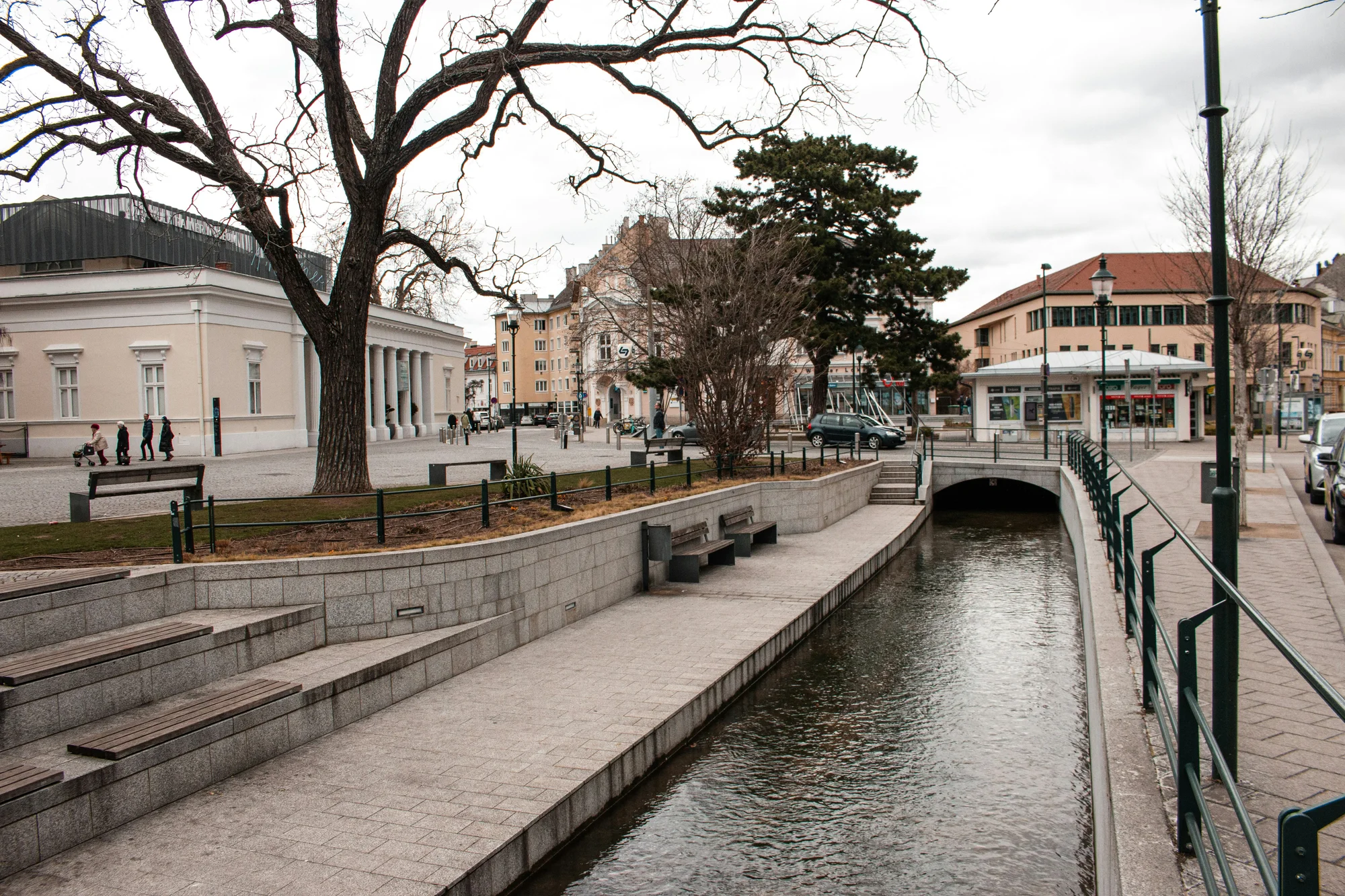
Baden bei Wien
Baden bei Wien is a renowned spa town located in Lower Austria, about 26 km south of Vienna. Founded in Roman times, the town became famous for its sulfur-rich thermal waters, which have attracted visitors since the Middle Ages. In the 19th century, Baden was a favorite destination of the Habsburg imperial family, especially Emperor Franz Josef I. The town is situated at the foot of the Vienna Woods, in a picturesque area with hills covered in vineyards. Its elegant architecture reflects its period of glory during the imperial era, with numerous Art Nouveau villas and well-preserved historic buildings. The central spa park (Kurpark) is the heart of the town, offering an oasis of greenery and relaxation. Baden is also known for its casinos, being one of the oldest gambling centers in Europe. Culture and art are also well represented, with numerous theaters, museums, and galleries. The town hosts the annual Operetta Festival, an internationally renowned event.
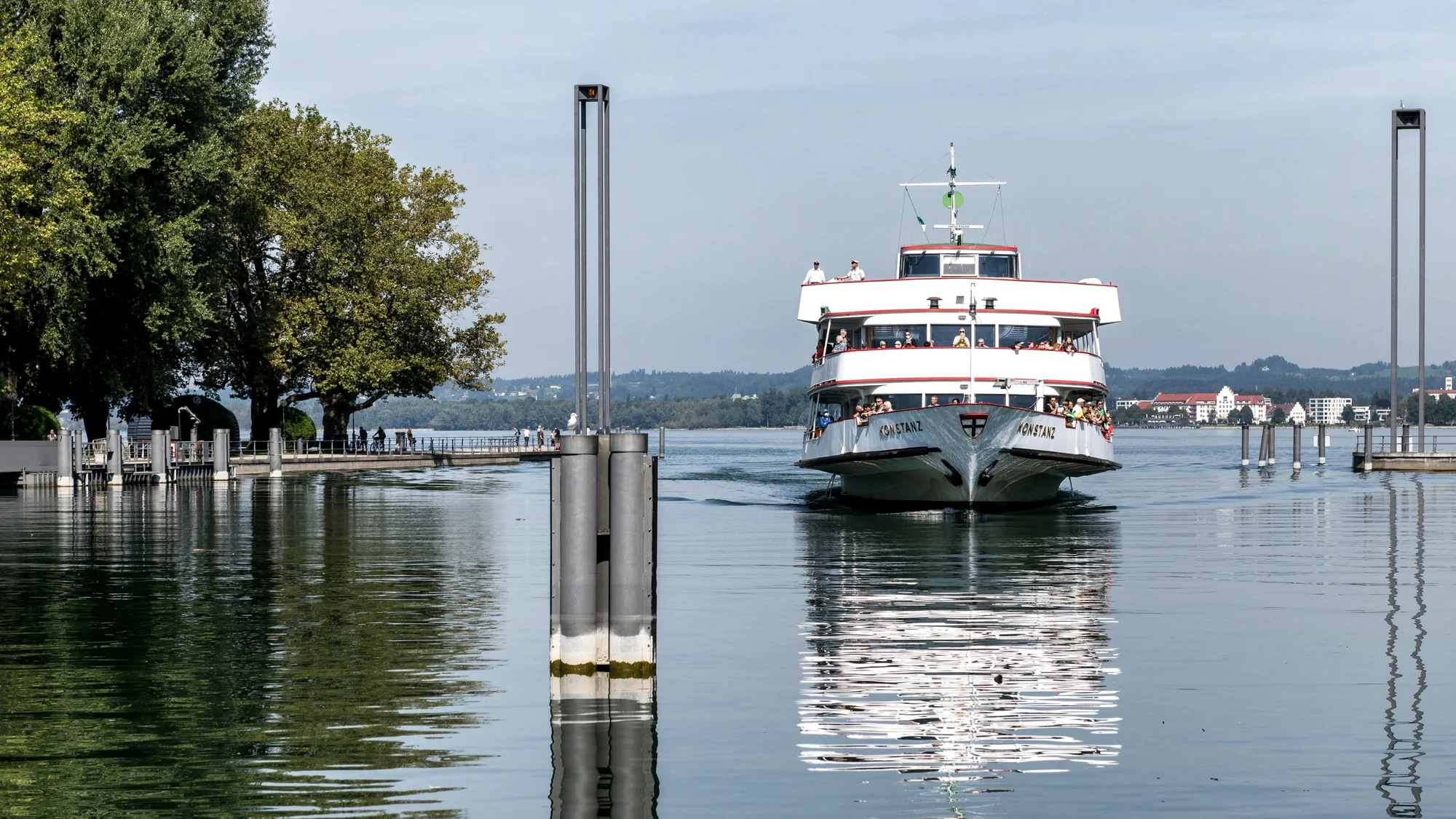
Bregenz
Bregenz is the capital of the federal state of Vorarlberg in Austria, located on the eastern shore of Lake Constance (Bodensee). The city was founded in the 5th century BC by the Celtic tribe Brigantii. During the Roman period, it became an important trading point known as Brigantium. Bregenz is famous for the Bregenz Festival, a major cultural event that takes place annually on a floating stage on the lake. The city is notable for its harmonious combination of modern and traditional architecture, as well as its picturesque location between the lake and mountains. Main attractions include the Pfänderbahn, a funicular that offers a spectacular panorama of the city and the lake, as well as the Kunsthaus Bregenz, a contemporary art museum designed by Swiss architect Peter Zumthor.
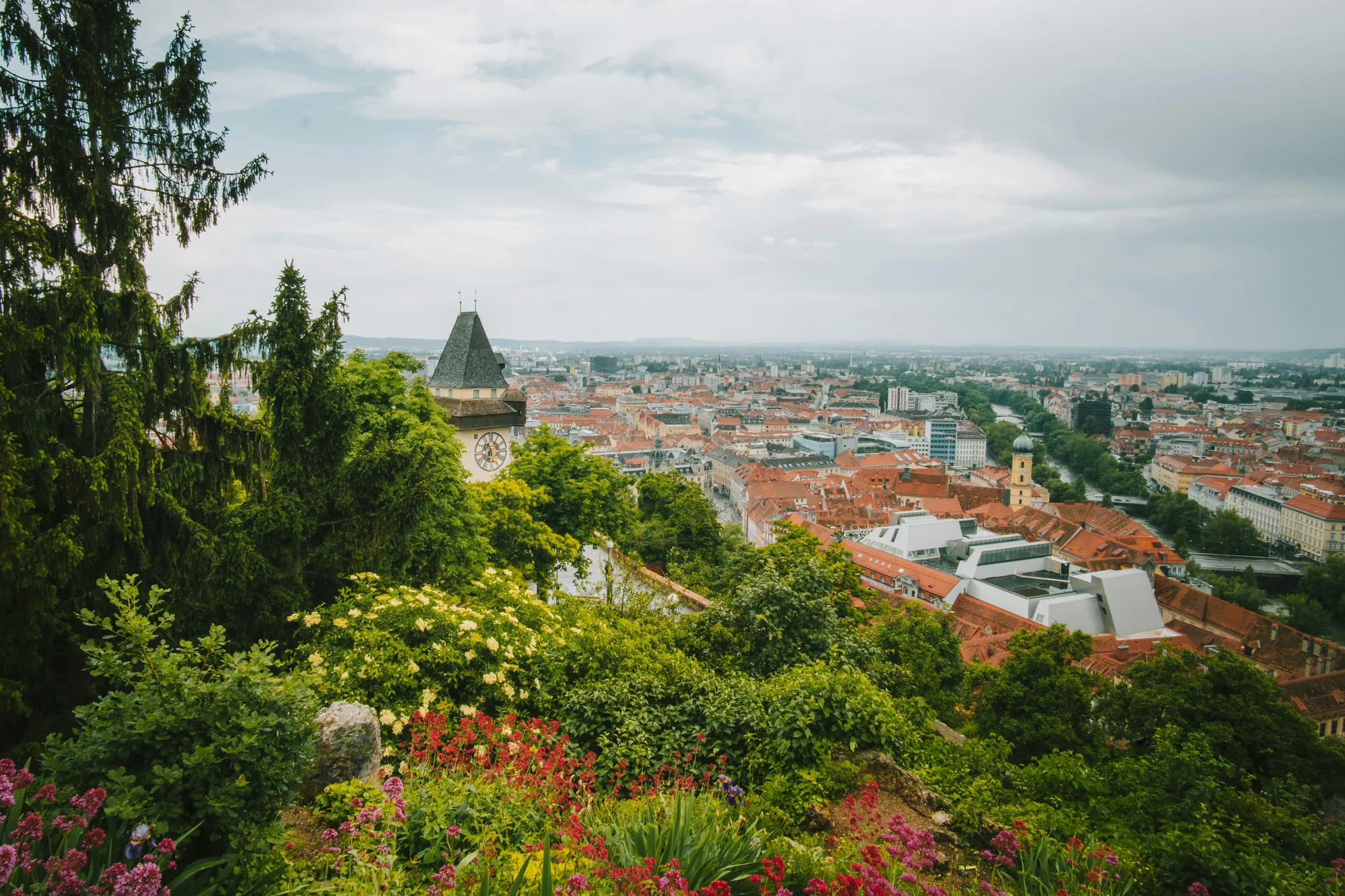
Graz
Graz, the second-largest city in Austria, has a rich history dating back to the Roman era. Founded around 1128, it became an important trading center in the Middle Ages. The city was the capital of Inner Austria between 1564 and 1618. Its historic center, Altstadt, was declared a UNESCO World Heritage site in 1999 due to its well-preserved architecture. Located in southeastern Austria, Graz sits on both banks of the Mur River, at the foot of the Alps. Its varied terrain includes forested hills and fertile plains. Schlossberg Castle, built on a hill in the city center, offers a spectacular panorama. Graz is renowned for its vibrant cultural life, having been designated as the European Capital of Culture in 2003. The city hosts numerous museums, art galleries, and annual festivals. It is also an important educational center, with several universities, including the Karl-Franzens University, founded in 1585. Its architecture harmoniously blends old styles with modern design, exemplified by the Kunsthaus Graz, a futuristic structure known as the "Friendly Alien".
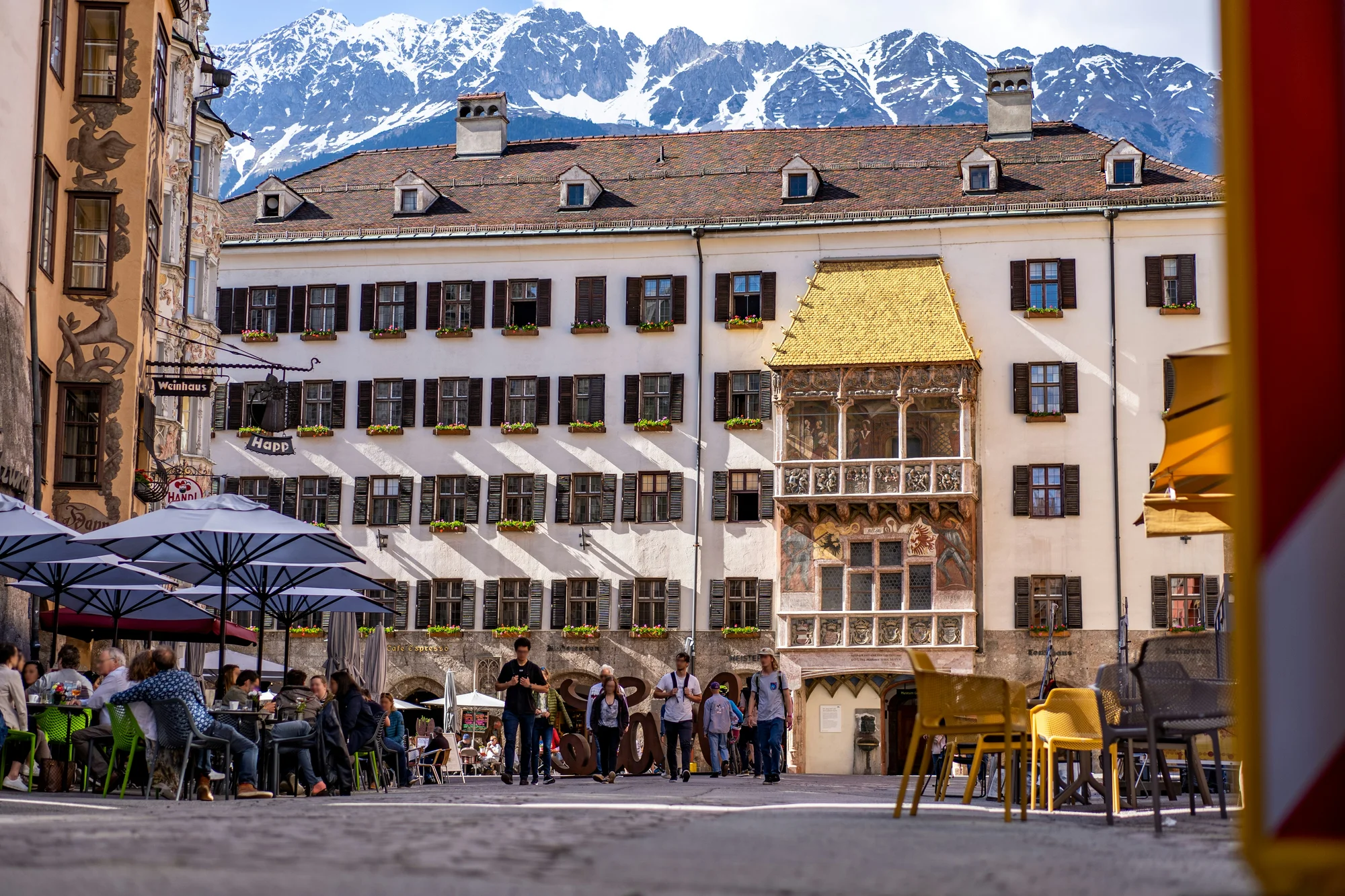
Innsbruck
Innsbruck, the capital of the Tyrol region in Austria, is a city with a rich history dating back to Roman times. Officially founded in the 12th century, the city became an important commercial and cultural center in the Middle Ages. In 1429, it became the capital of Tyrol, and in the 15th-16th centuries, it experienced a period of prosperity under the reign of Emperor Maximilian I. Situated in the heart of the Alps, at an altitude of 574 m, Innsbruck is surrounded by imposing mountains, offering a spectacular landscape. The Inn River valley, which runs through the city, played a crucial role in its development as an important commercial hub. Innsbruck is renowned for its architectural heritage, including the Golden Roof (Goldenes Dachl), a symbol of the city, and the Imperial Palace Hofburg. The city has hosted the Winter Olympics twice (1964 and 1976), consolidating its reputation as a top destination for winter sports. The unique combination of Alpine culture and urban atmosphere makes Innsbruck an attractive destination for both nature lovers and enthusiasts of history and art. The University of Innsbruck, founded in 1669, contributes to the vibrant cultural and academic life of the city.
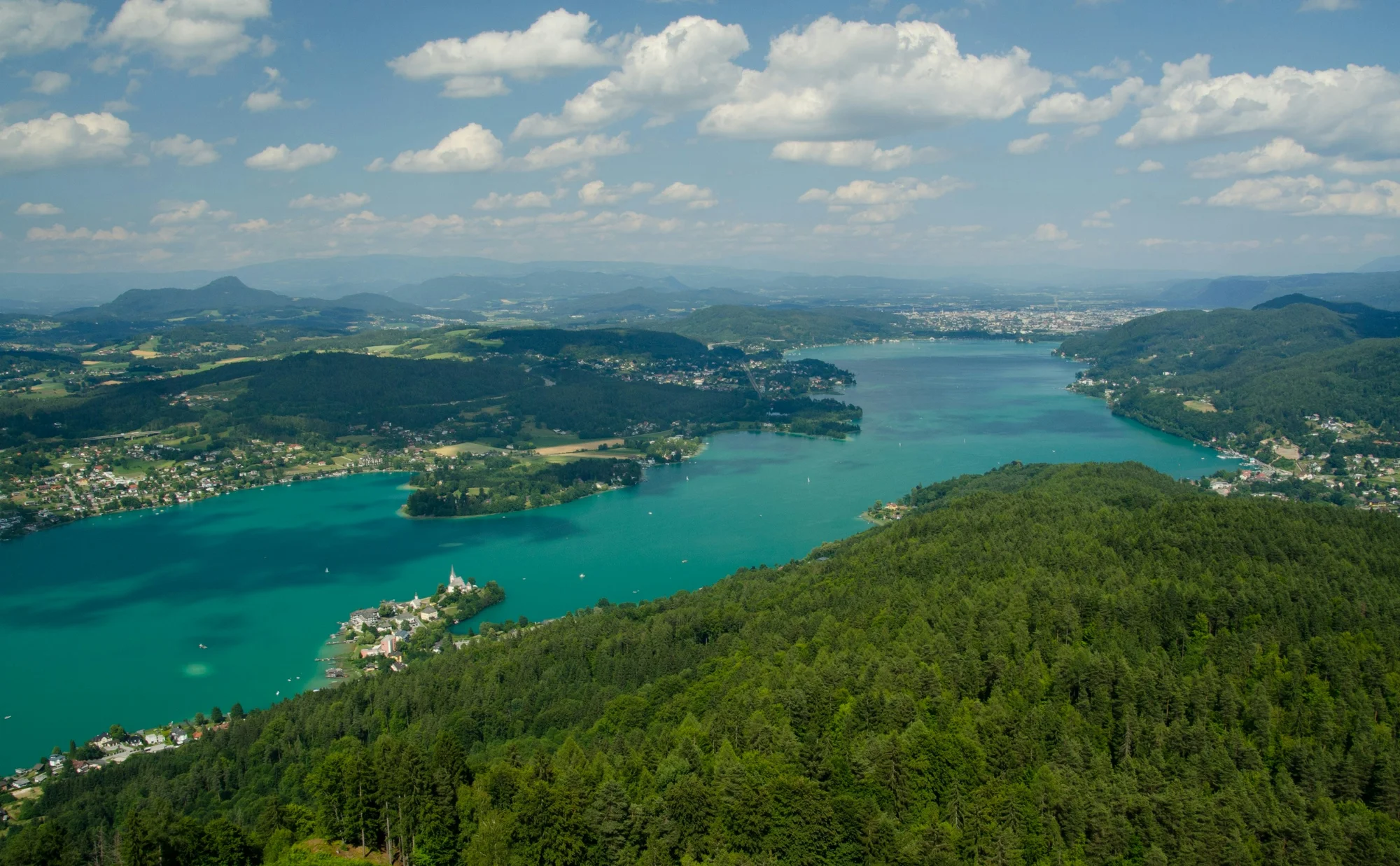
Klagenfurt
Klagenfurt, the capital of Carinthia state, is a picturesque city located in southern Austria. Founded in the 12th century, the city has had a tumultuous history, being destroyed and rebuilt several times. Situated on the shores of Lake Wörthersee, Klagenfurt benefits from a spectacular natural setting, surrounded by the Austrian Alps. The historic center of the city, with its well-preserved baroque architecture, attracts numerous tourists. Neuer Platz square, dominated by the Dragon Fountain, the symbol of the city, is the central point of urban life. Klagenfurt is known for its museums, such as the Carinthian Regional Museum and the Museum of Modern Art, as well as for cultural events like the Ingeborg Bachmann Festival.
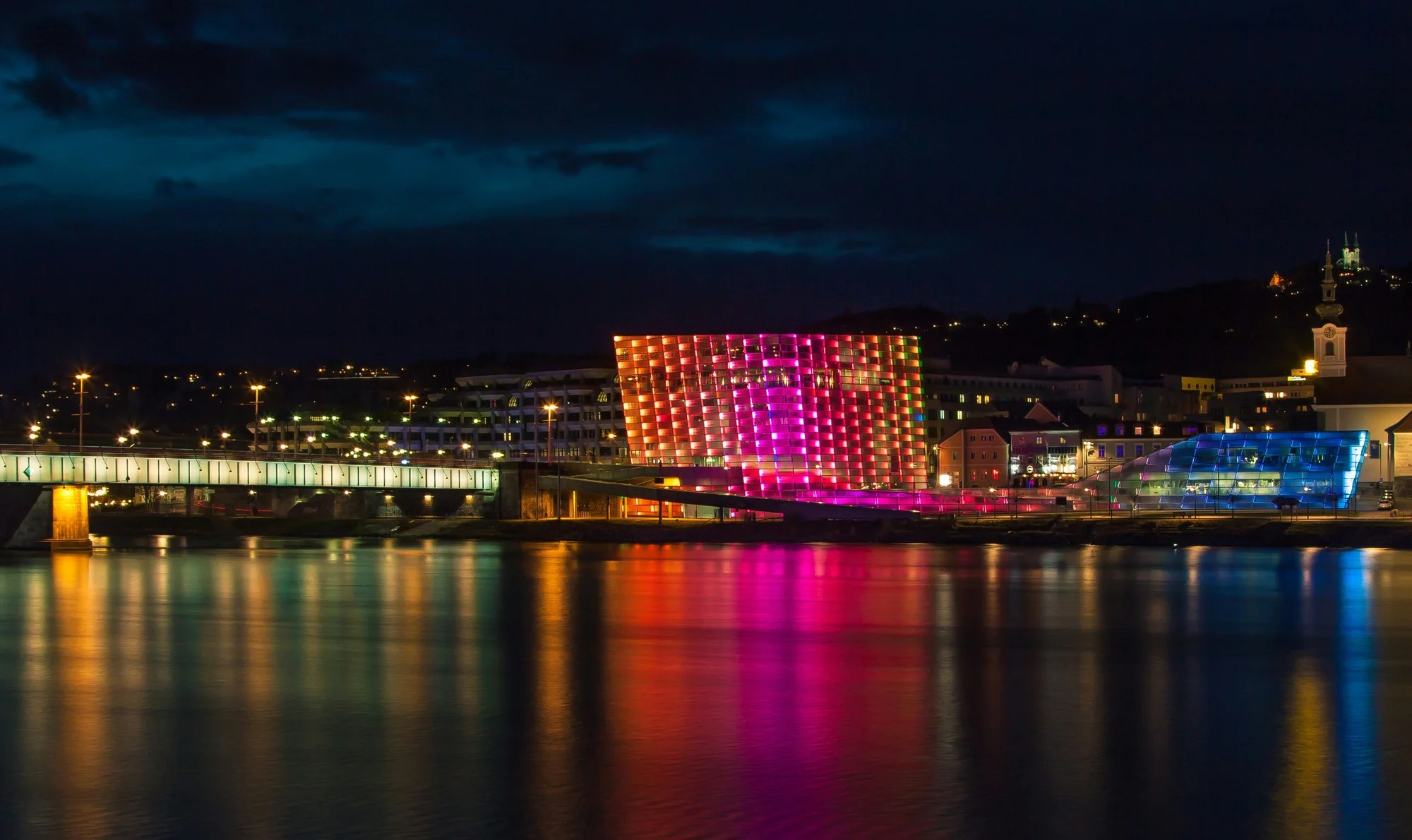
Linz
Linz is the third largest city in Austria, situated on the banks of the Danube. Founded in the Roman era under the name Lentia, the city has evolved over the centuries into an important industrial and cultural center. In the Middle Ages, Linz became a significant trading hub due to its strategic position on the Danube. The city experienced significant development during the industrialization period, becoming an important center for the steel and chemical industries. Currently, Linz is recognized for its harmonious blend of historical heritage and technological innovation. The old city center, with its main square (Hauptplatz) and baroque buildings, pleasantly contrasts with modern architecture and contemporary art installations. The Ars Electronica Center, a museum dedicated to new technologies and digital art, is a symbol of the city's orientation towards the future. Linz is also an important cultural center, hosting events such as the Ars Electronica International Digital Art Festival and the Bruckner Festival. The city was designated as the European Capital of Culture in 2009, which contributed to its cultural and touristic development.
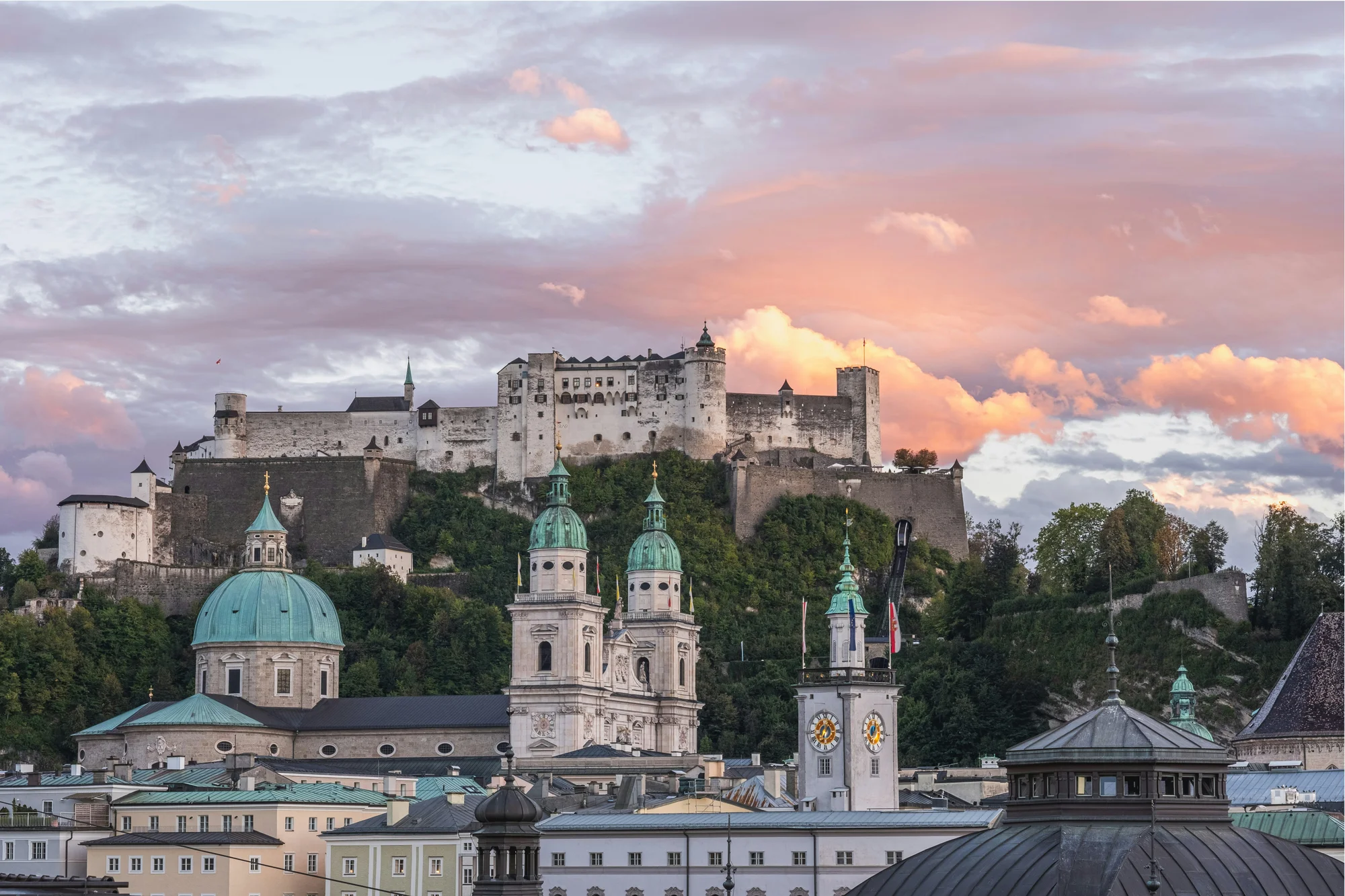
Salzburg
Salzburg, founded in the 8th century, is the fourth largest city in Austria, renowned for its baroque architecture and connection to Wolfgang Amadeus Mozart. Situated on the Salzach River, at the foot of the Northern Alps, the city has been an episcopal center since 798. Its development was closely tied to the salt trade, hence its name ("Salt Fortress"). In 1996, the old town center was included in the UNESCO World Heritage List. The city is notable for Hohensalzburg Castle, one of the largest medieval fortresses in Europe, the Mirabell Gardens, and Mozart's birthplace. Salzburg hosts the annual Festival of Music and Drama, one of the most important cultural events in the world. The unique combination of history, culture, and alpine landscape makes Salzburg a top tourist destination.
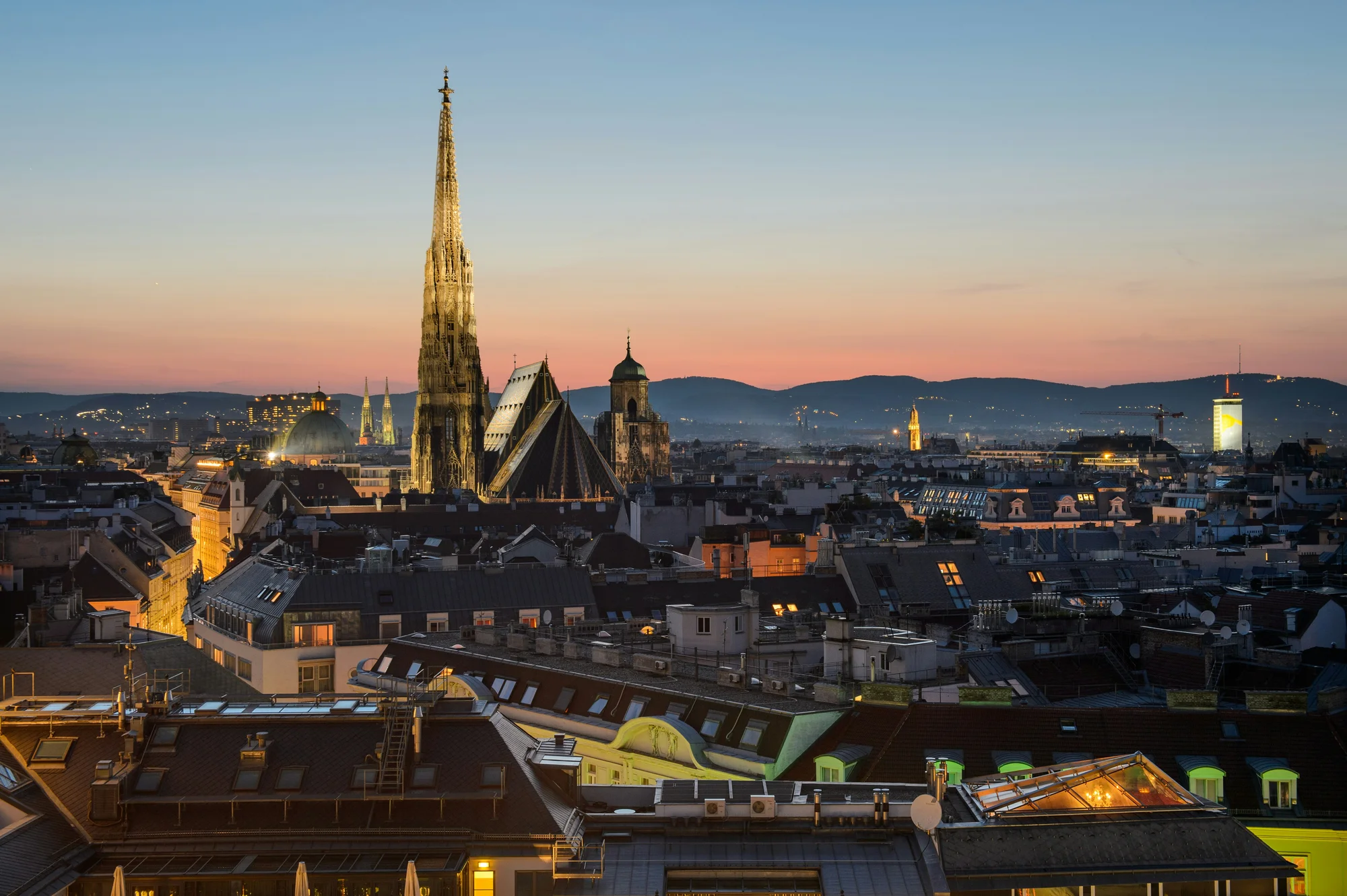
Vienna
Vienna, the capital of Austria, is a city with a rich history dating back to Roman times. Founded around 500 BC, it became an important cultural and political center of the Habsburg Empire. The city witnessed significant historical events, including the Ottoman sieges of 1529 and 1683. In the 19th century, Vienna experienced a period of cultural and architectural flourishing, becoming a center of classical music and art. Situated on the banks of the Danube, Vienna is located in the eastern part of Austria, in a plain area at the foot of the Alps. The city is renowned for its impressive architecture, which combines styles such as Baroque, Art Nouveau, and Modernism. Imperial palaces, such as Schönbrunn and Hofburg, are testimonies to past glory. Vienna is recognized worldwide for its music scene, being associated with famous composers such as Mozart, Beethoven, and Strauss. The city hosts numerous museums, theaters, and concert halls, including the famous State Opera. Viennese cafes, part of UNESCO cultural heritage, offer a unique experience, while the city's parks and gardens, such as Prater and Stadtpark, provide ample green spaces for relaxation.
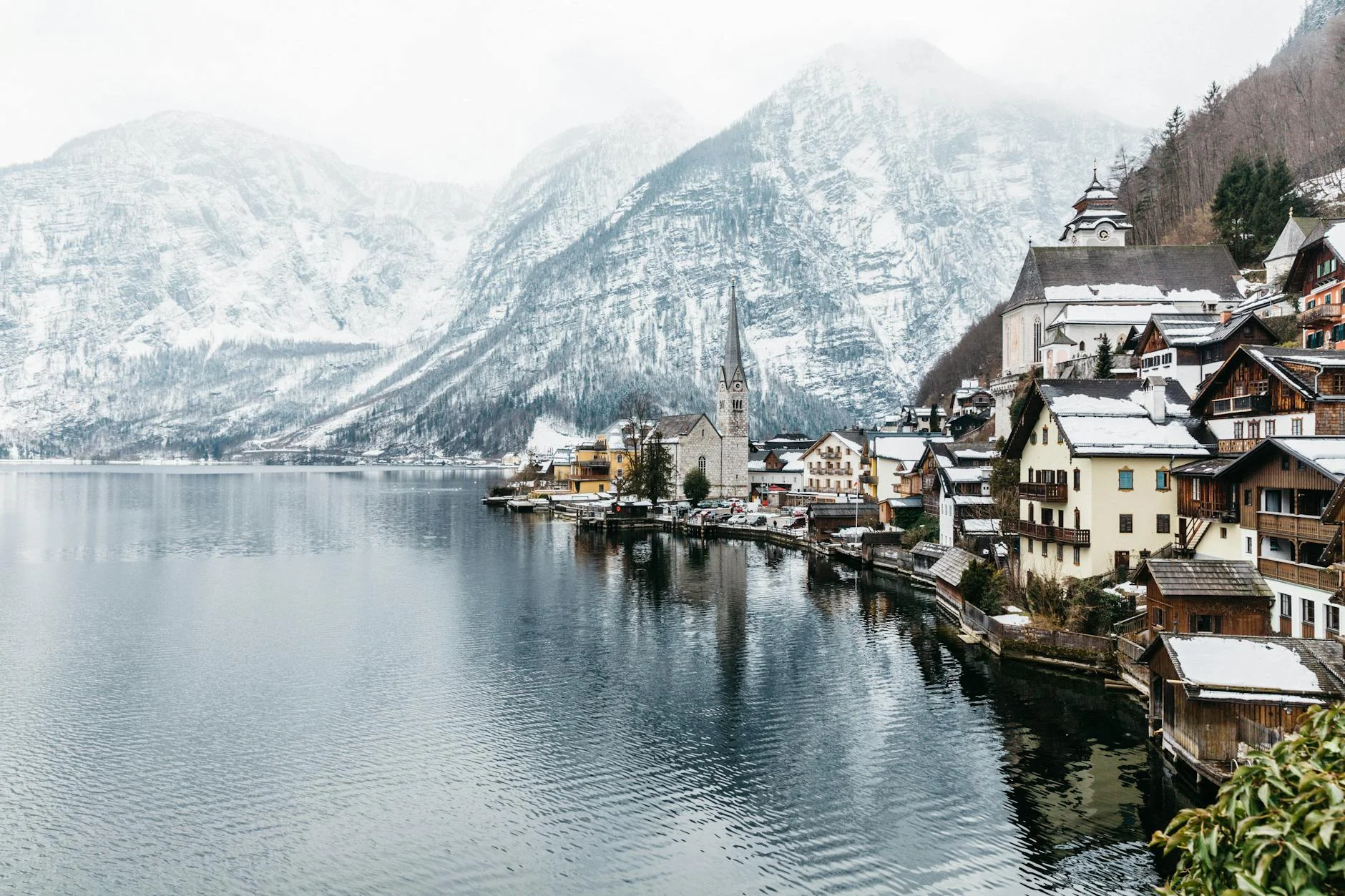
Salzkammergut
Salzkammergut is a picturesque mountainous region located in Austria, renowned for its spectacular Alpine landscapes, crystal-clear lakes, and ski resorts. This area spans across three Austrian states: Upper Austria, Styria, and Salzburg. The region is characterized by imposing mountains, dense forests, and over 76 glacial lakes, of which the most famous is Hallstätter See. Salzkammergut has a rich history, having been inhabited since prehistoric times, and its name comes from the salt mines exploited since antiquity. The local culture is strongly influenced by Alpine traditions, reflected in the specific architecture, folk costumes, and regional gastronomy. Tourists are attracted by the multiple recreational opportunities, from winter sports and mountain hiking to water activities on lakes and visits to renowned spa resorts.
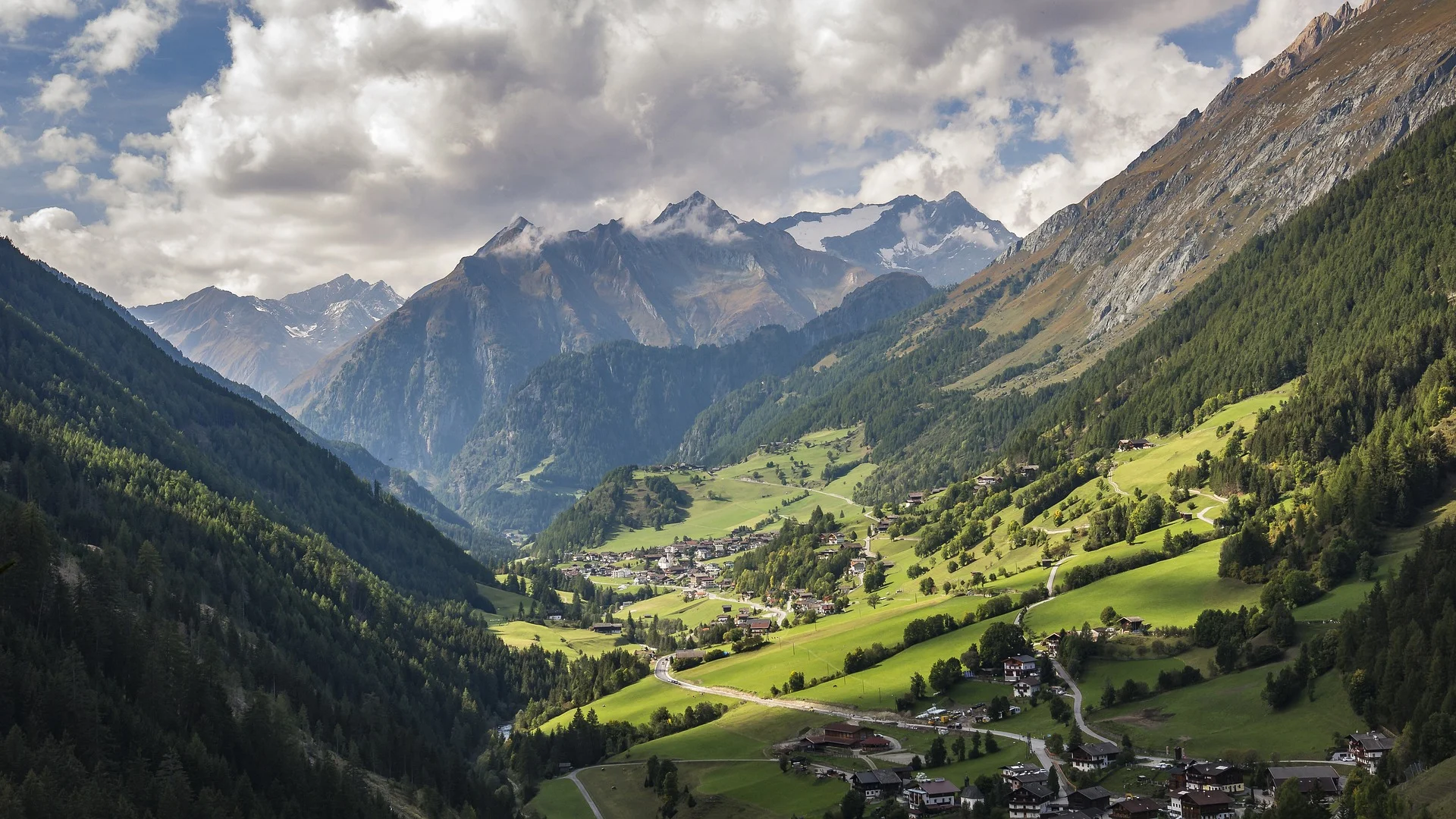
Tyrol
Tyrol is a picturesque region located in western Austria, renowned for its spectacular alpine landscapes. Dominated by the Tyrolean Alps, this land offers varied terrain, with high peaks, fertile valleys, and crystal-clear lakes. The climate is typically alpine, with cool summers and cold winters, perfect for winter sports. With a rich history, Tyrol has been an important cultural and commercial center since the Middle Ages. The region maintains strong folk traditions, reflected in its characteristic architecture, traditional costumes, and annual festivals. Tyrolean cuisine is delicious and hearty, with specialties such as Tiroler Gröstl (a dish with potatoes and meat) and Kaiserschmarrn (shredded pancakes). Tourism is a key industry, with Tyrol being a top destination for skiing in winter, as well as hiking and mountaineering in summer.
All information
identity
Id
12d87676-bd7b-40a7-ab67-98677615b559
Id
cf9a2b6a-2cf3-4596-b226-05ddaee0454e
Id
12d87676-bd7b-40a7-ab67-98677615b559
Id
12d87676-bd7b-40a7-ab67-98677615b559
Locale
en
Slug
austria
media
Autor Poza
Julius_Silver
Autor Poza
Julius_Silver
Image Alt Text
Panoramic view of Hallstatt, Austria, with the lake and mountains.
Image Alt Text
Panoramic view of Hallstatt, Austria, with the lake and mountains.
Image Alt Text
Panoramic view of Hallstatt, Austria, with the lake and mountains.
Image Author
Julius_Silver
Image Author Url
https://pixabay.com/users/Julius_Silver-4371822/
Image Description
Panoramic image of Hallstatt, Austria, showcasing its picturesque mountain backdrop and serene lake waters.
Image Description
Panoramic image of Hallstatt, Austria, showcasing its picturesque mountain backdrop and serene lake waters.
Image Description
Panoramic image of Hallstatt, Austria, showcasing its picturesque mountain backdrop and serene lake waters.
Image Source
Pixabay
Image Title
Panoramic View of Hallstatt, Austria
Image Title
Panoramic View of Hallstatt, Austria
Image Title
Panoramic View of Hallstatt, Austria
Image Url
https://media.wanderbase.io/explore/countries/12d87676-bd7b-40a7-ab67-98677615b559.webp
Image Url
https://tripinfo.ro/wp-content/uploads/2025/03/tripinfo-Austria-Europa-1.jpg
Image Url
https://tripinfo.ro/wp-content/uploads/2025/03/tripinfo-Austria-Europa-1.jpg
Image Web Url
https://pixabay.com/photos/hallstatt-austria-mountain-lake-3609863/
Link Autor Poza
https://pixabay.com/users/Julius_Silver-4371822/
Link Autor Poza
https://pixabay.com/users/Julius_Silver-4371822/
Link Web Poza
https://pixabay.com/photos/hallstatt-austria-mountain-lake-3609863/
Link Web Poza
https://pixabay.com/photos/hallstatt-austria-mountain-lake-3609863/
Source Image Url
https://tripinfo.ro/wp-content/uploads/2025/03/tripinfo-Austria-Europa-1.jpg
Sursa Poza
Pixabay
Sursa Poza
Pixabay
editorial
Status
published
general
All Months
May|June|July|August|September
Basic Phrases
Guten Tag (goo-ten tahg) - Hello Danke (dahn-kuh) - Thank you Bitte (bi-tuh) - Please / You're welcome Entschuldigung (ent-shool-di-gung) - Excuse me Sprechen Sie Englisch? (shpre-khen zee eng-lish) - Do you speak English? Auf Wiedersehen (owf vee-der-zey-en) - Goodbye Prost! (prohst) - Cheers! (for toasting)
Capital
Vienna
Card Payment
Card payment is widely accepted in Austria. Most shops, restaurants, hotels, and tourist attractions accept credit and debit cards. However, it is recommended to have cash on hand, especially in rural areas or at local markets, where cash payment may be preferred.
Country Id
12d87676-bd7b-40a7-ab67-98677615b559
Created At
2026-06-17T21:09:43.581342+00:00
Created At
2026-06-17T21:09:44.442525+00:00
Currency Ticker
EUR
Description
Austria, a country with a rich history, was the center of the Habsburg Empire and had a significant influence in Central Europe. Founded in 976 as a margraviate, it evolved into the Duchy of Austria in 1156 and later into the Austrian Empire in 1804. After World War I, it became a republic. Geographically, Austria is predominantly a mountainous country, with 60% of its territory occupied by the Alps. The Danube, the most important river, crosses the north of the country. The varied landscape includes fertile valleys, dense forests, and picturesque alpine lakes. Culturally, Austria is renowned for classical music, being the birthplace of famous composers such as Mozart and Strauss. Baroque and imperial architecture, especially in Vienna, attracts millions of tourists annually. World-class ski resorts, cultural festivals, and refined gastronomy complete the country's tourist attractions.
Kiwi Destination
Austria
Name
Austria
National Currency
Euro (EUR)
Official Language
German
Perfect Period
The perfect period to visit Austria is summer, especially the month of June. Temperatures are pleasant, days are long, and nature is in full splendor. It's the ideal time for hiking in the Alps, strolling in Viennese parks, and participating in numerous cultural and musical festivals that take place during this period.
Plug Type
Type C, F
Recommended Months
June
Safety
Austria is considered a very safe country for tourists. The crime rate is low, and violent incidents are rare. However, as in any tourist destination, caution is recommended in crowded areas and on public transport to avoid pickpocketing. In general, visitors can feel safe exploring both the cities and rural areas of the country.
Traditional Foods
• Wiener Schnitzel - Viennese breaded veal cutlet • Apfelstrudel - Apple strudel, a traditional Austrian dessert • Tafelspitz - Boiled beef, served with various sauces and side dishes • Sachertorte - Chocolate cake with apricot jam, a Viennese specialty • Kaiserschmarrn - Shredded and caramelized pancakes, served with plum jam • Gulasch - Beef stew with paprika, influenced by Hungarian cuisine
Updated At
2026-06-17T22:31:59.836264+00:00
Updated At
2026-06-17T21:22:07.533977+00:00
imported
Capitala
Vienna
Capitala
Vienna
Continent
Europe
Continent
Europe
Descriere
Austria, a country with a rich history, was the center of the Habsburg Empire and had a significant influence in Central Europe. Founded in 976 as a margraviate, it evolved into the Duchy of Austria in 1156 and later into the Austrian Empire in 1804. After World War I, it became a republic. Geographically, Austria is predominantly a mountainous country, with 60% of its territory occupied by the Alps. The Danube, the most important river, crosses the north of the country. The varied landscape includes fertile valleys, dense forests, and picturesque alpine lakes. Culturally, Austria is renowned for classical music, being the birthplace of famous composers such as Mozart and Strauss. Baroque and imperial architecture, especially in Vienna, attracts millions of tourists annually. World-class ski resorts, cultural festivals, and refined gastronomy complete the country's tourist attractions.
Descriere
Austria, a country with a rich history, was the center of the Habsburg Empire and had a significant influence in Central Europe. Founded in 976 as a margraviate, it evolved into the Duchy of Austria in 1156 and later into the Austrian Empire in 1804. After World War I, it became a republic. Geographically, Austria is predominantly a mountainous country, with 60% of its territory occupied by the Alps. The Danube, the most important river, crosses the north of the country. The varied landscape includes fertile valleys, dense forests, and picturesque alpine lakes. Culturally, Austria is renowned for classical music, being the birthplace of famous composers such as Mozart and Strauss. Baroque and imperial architecture, especially in Vienna, attracts millions of tourists annually. World-class ski resorts, cultural festivals, and refined gastronomy complete the country's tourist attractions.
Destinatie Kiwi
Austria
Destinatie Kiwi
Austria
Expresii De Baza
Guten Tag (goo-ten tahg) - Hello Danke (dahn-kuh) - Thank you Bitte (bi-tuh) - Please / You're welcome Entschuldigung (ent-shool-di-gung) - Excuse me Sprechen Sie Englisch? (shpre-khen zee eng-lish) - Do you speak English? Auf Wiedersehen (owf vee-der-zey-en) - Goodbye Prost! (prohst) - Cheers! (for toasting)
Expresii De Baza
Guten Tag (goo-ten tahg) - Hello Danke (dahn-kuh) - Thank you Bitte (bi-tuh) - Please / You're welcome Entschuldigung (ent-shool-di-gung) - Excuse me Sprechen Sie Englisch? (shpre-khen zee eng-lish) - Do you speak English? Auf Wiedersehen (owf vee-der-zey-en) - Goodbye Prost! (prohst) - Cheers! (for toasting)
Latitudine
48.2082
Latitudine
48.2082
Limba Oficiala
German
Limba Oficiala
German
Longitudine
16.3738
Longitudine
16.3738
Luni Recomandate
June
Luni Recomandate
June
Lunile Anului
May|June|July|August|September
Lunile Anului
May|June|July|August|September
Mancaruri Traditionale
• Wiener Schnitzel - Viennese breaded veal cutlet • Apfelstrudel - Apple strudel, a traditional Austrian dessert • Tafelspitz - Boiled beef, served with various sauces and side dishes • Sachertorte - Chocolate cake with apricot jam, a Viennese specialty • Kaiserschmarrn - Shredded and caramelized pancakes, served with plum jam • Gulasch - Beef stew with paprika, influenced by Hungarian cuisine
Mancaruri Traditionale
• Wiener Schnitzel - Viennese breaded veal cutlet • Apfelstrudel - Apple strudel, a traditional Austrian dessert • Tafelspitz - Boiled beef, served with various sauces and side dishes • Sachertorte - Chocolate cake with apricot jam, a Viennese specialty • Kaiserschmarrn - Shredded and caramelized pancakes, served with plum jam • Gulasch - Beef stew with paprika, influenced by Hungarian cuisine
Moneda Nationala
Euro (EUR)
Moneda Nationala
Euro (EUR)
Nume
Austria
Nume
Austria
Perioada Perfecta
The perfect period to visit Austria is summer, especially the month of June. Temperatures are pleasant, days are long, and nature is in full splendor. It's the ideal time for hiking in the Alps, strolling in Viennese parks, and participating in numerous cultural and musical festivals that take place during this period.
Perioada Perfecta
The perfect period to visit Austria is summer, especially the month of June. Temperatures are pleasant, days are long, and nature is in full splendor. It's the ideal time for hiking in the Alps, strolling in Viennese parks, and participating in numerous cultural and musical festivals that take place during this period.
Plata Card
Card payment is widely accepted in Austria. Most shops, restaurants, hotels, and tourist attractions accept credit and debit cards. However, it is recommended to have cash on hand, especially in rural areas or at local markets, where cash payment may be preferred.
Plata Card
Card payment is widely accepted in Austria. Most shops, restaurants, hotels, and tourist attractions accept credit and debit cards. However, it is recommended to have cash on hand, especially in rural areas or at local markets, where cash payment may be preferred.
Poze Candidate
https://unsplash.com/photos/city-beside-body-of-water-during-daytime-3wFRlwS91yk https://unsplash.com/photos/houses-near-body-of-water-and-mountain-during-daytime-LKBW3401d-0 https://unsplash.com/photos/aerial-photography-of-pine-trees-on-mountain-hKOPVtGQZ4o https://unsplash.com/photos/town-beside-body-of-water-and-mountains-9DgwO_ihqL0 https://www.pexels.com/photo/houses-near-the-mountain-1493088/ https://www.pexels.com/photo/house-near-body-of-water-356807/ https://www.pexels.com/photo/calm-body-of-water-2032332/ https://www.pexels.com/photo/city-near-the-mountain-photography-161039/ https://pixabay.com/photos/hallstatt-lake-village-tourism-8357170/ https://pixabay.com/photos/hallstatt-austria-mountain-lake-3609863/ https://pixabay.com/photos/vacations-travel-austria-4756300/ https://pixabay.com/photos/hallstatt-austria-lake-water-7524006/
Poze Candidate
https://unsplash.com/photos/city-beside-body-of-water-during-daytime-3wFRlwS91yk https://unsplash.com/photos/houses-near-body-of-water-and-mountain-during-daytime-LKBW3401d-0 https://unsplash.com/photos/aerial-photography-of-pine-trees-on-mountain-hKOPVtGQZ4o https://unsplash.com/photos/town-beside-body-of-water-and-mountains-9DgwO_ihqL0 https://www.pexels.com/photo/houses-near-the-mountain-1493088/ https://www.pexels.com/photo/house-near-body-of-water-356807/ https://www.pexels.com/photo/calm-body-of-water-2032332/ https://www.pexels.com/photo/city-near-the-mountain-photography-161039/ https://pixabay.com/photos/hallstatt-lake-village-tourism-8357170/ https://pixabay.com/photos/hallstatt-austria-mountain-lake-3609863/ https://pixabay.com/photos/vacations-travel-austria-4756300/ https://pixabay.com/photos/hallstatt-austria-lake-water-7524006/
Siguranta
Austria is considered a very safe country for tourists. The crime rate is low, and violent incidents are rare. However, as in any tourist destination, caution is recommended in crowded areas and on public transport to avoid pickpocketing. In general, visitors can feel safe exploring both the cities and rural areas of the country.
Siguranta
Austria is considered a very safe country for tourists. The crime rate is low, and violent incidents are rare. However, as in any tourist destination, caution is recommended in crowded areas and on public transport to avoid pickpocketing. In general, visitors can feel safe exploring both the cities and rural areas of the country.
Ticker Valuta
EUR
Ticker Valuta
EUR
Tip Priza
Type C, F
Tip Priza
Type C, F
map
Latitude
48.21
Locatie
Austria
Locatie
Austria
Location Label
Austria
Longitude
16.37